





College Graduation Just Got Better: Chevrolet Discounts for Students & Grads Near Western MA
Graduation season is just around the corner, and if you’re a student at UMass Amherst, Westfield State University, Western New England University, or Springfield College, first off—congratulations! As you get ready to walk across that stage and into your next chapter, why not drive into it with style (and savings)?
At Central Chevrolet, located at 675 Memorial Avenue in West Springfield, MA, we’re proud to offer exclusive GM College Discounts on select new Chevrolet vehicles. Whether you’re headed to a new job, grad school, or a well-earned road trip, we want to make sure you get there reliably and affordably.
What is the GM College Discount?
The GM College Discount Program is designed specifically for eligible college students and recent graduates to help make the transition from school to the real world a little smoother. It provides real, stackable savings on select new Chevrolet vehicles—and yes, it’s a legit discount.
Who Qualifies?
To be eligible, you must fall into one of these categories:
- A current college or graduate student enrolled in an accredited program
- A recent college graduate (within the last 2 years)
- Eligible participants can also sponsor their spouse
Eligibility is subject to GM approval, and documentation may be required. Visit gmcollegeappreciation.com for program eligibility details and a list of eligible vehicles.
To receive the offer, you must provide your authorization number to Central Chevrolet prior to or at the time of vehicle delivery. Take new retail delivery by January 2, 2026.
Why Chevrolet?
New Chevrolet vehicles are known for their blend of tech, safety, performance, and value. With models like the fuel-efficient Chevy Trax, versatile Chevrolet Equinox, and rugged yet refined Silverado 1500, there’s something for every type of graduate.
Many Chevy models also include:
- Apple CarPlay/Android Auto compatibility
- Teen Driver Mode for added safety
- Available Wi-Fi hotspots and advanced driver-assistance features
Why Central Chevrolet?
As a trusted Chevrolet dealer in Western Massachusetts, we’re more than just a car dealership—we’re part of your community. Located just minutes from Springfield, Chicopee, and the Five College Consortium (UMass Amherst, Amherst College, Smith College, Mount Holyoke, and Hampshire College), we understand the needs of student drivers and first-time car buyers.
Our experienced team will walk you through the GM College Discount process and help you find a vehicle that fits your lifestyle and your budget. Plus, we have flexible financing options available through GM Financial (subject to credit approval).
How to Claim Your Discount
- Visit centralchevyauto.com and browse our current new Chevrolet inventory.
- Give us a call at (413) 781-3400 to confirm your eligibility and schedule a test drive.
- Bring your proof of enrollment or recent graduation.
- Provide your authorization number from gmcollegeappreciation.com.
- Drive off in your new ride with that well-earned discount.
Your Next Chapter Starts Here
Whether you’re cruising into a new career or heading home after finals, make sure you get there in a vehicle that represents your hard work and bright future.
Come visit us at Central Chevrolet in West Springfield, and let us help you celebrate your achievement with a discount that makes sense.
FAQs About the Chevrolet College Discount
Q: Is the GM College Discount a real discount?
A: Yes! It’s an official General Motors incentive for eligible students and grads. The savings are applied directly to the price of the vehicle and can be combined with other offers in many cases.
Q: What documentation do I need?
A: Proof of current enrollment or a diploma dated within the last 2 years. You must also obtain and present an authorization number from gmcollegeappreciation.com.
Q: Can I lease with the discount or is it only for purchases?
A: The discount applies to both purchases and leases of eligible Chevrolet models, though offers may vary.
Q: Which Chevy models are eligible?
A: Models frequently eligible include the Chevy Trax, Trailblazer, Equinox, Malibu, and others. Please call us or visit our site for the latest eligibility.
Q: How long does this offer last?
A: You must take new retail delivery by January 2, 2026, so make sure to act before then.
Each April, Massachusetts comes alive with the spirit of remembrance during Patriots’ Day—a uniquely local holiday that honors the brave individuals who sparked the American Revolution at Lexington and Concord. It’s a day woven with tradition, reflection, and pride across communities like ours here in West Springfield.
At Central Chevrolet, we’re proud to be part of a region where history feels so close. Patriots’ Day isn’t just about looking back—it’s about celebrating the strength, resilience, and sense of community that continue to define Massachusetts today.
A Quick Look at Patriots’ Day
Patriots’ Day commemorates the first battles of the American Revolution fought on April 19, 1775. Although it’s officially observed on the third Monday in April, many towns and cities across Massachusetts host parades, historical reenactments, and special ceremonies all weekend long.
From the crack of dawn reenactments on Lexington Green to festive gatherings throughout the state, it’s a reminder that change often starts with everyday people coming together for something bigger than themselves.
Celebrating the Spirit Locally
Here in West Springfield and throughout Hampden County, Patriots’ Day is a time to reconnect with our roots. Schools, libraries, and local organizations often highlight Revolutionary War history, helping the next generation appreciate the courage it took to fight for a new future.
For many families, it’s also a day to enjoy simple traditions: a morning spent at a reenactment, an afternoon walk through a historic park, or even a drive across the beautiful spring landscapes that make Massachusetts so special this time of year.
Moving Forward Together
While the world has changed drastically since 1775, the spirit of Patriots’ Day still speaks to us today.
At Central Chevrolet, being a part of the West Springfield community means more than just serving drivers—it means honoring the traditions that have shaped our town and state. This Patriots’ Day, we invite everyone to take a moment to reflect on how far we’ve come—and how, together, we keep driving toward an even brighter future.
From our family to yours, Happy Patriots’ Day.
FAQs
What is Patriots’ Day?
Patriots’ Day is a Massachusetts state holiday that commemorates the first battles of the American Revolutionary War, particularly the Battles of Lexington and Concord on April 19, 1775.
How is Patriots’ Day celebrated today?
Many towns in Massachusetts hold parades, historical reenactments, and community events. It’s a day of both reflection and celebration.
Is Central Chevrolet open on Patriots’ Day?
For holiday hours or special events, please contact us directly at (413) 781-3400 or visit centralchevyauto.com.
Where can I attend Patriots’ Day events nearby?
While many of the largest events happen closer to Boston, local communities, museums, and parks around West Springfield often host educational exhibits and family-friendly activities.

Even though tax season officially ended on April 15, many people across Western Massachusetts are just now receiving their IRS tax refunds. If that’s you, here’s a smart way to put that refund to good use: invest it in a new or pre-owned vehicle at Central Chevrolet in West Springfield.
Whether you’re upgrading your current ride, buying your first car, or just want something more reliable, using your tax refund as a down payment can stretch your budget further than you think.
Why Your Tax Refund Still Matters — Even After Filing Season Ends
Just because filing season is over doesn’t mean your financial opportunities are. If you’ve recently received (or are still expecting) your refund, here’s how it can benefit your next vehicle purchase:
- Lower Your Monthly Payments: A larger down payment from your refund means financing a smaller amount.
- Improve Your Financing Terms: Lenders may offer better rates when you have more skin in the game.
- Get More Car for Your Budget: Your refund could be the difference between a base model and something with the features you really want.
New, Used, or Certified — Your Refund Works Across the Lot
At Central Chevrolet, your tax refund goes a long way. We carry a wide selection of new, used, and certified pre-owned vehicles to suit every budget and lifestyle — and not just Chevys! Our pre-owned inventory includes a mix of makes and models, all carefully inspected and ready to hit the road.
“Can I Still Use My Refund for a Car?” Yes — And Here’s How
Even post-deadline, we help customers apply their refunds toward:
- A down payment on a new or used car
- Upfront costs like taxes, title, and registration
- Leasing fees or pre-paid maintenance plans
- Extended warranties or service contracts
Already have a trade-in? Combine that with your refund to increase your purchase power even more.
Make the Most of Spring Sales While They Last
Spring is a great time to buy, and we’re currently running limited-time sales events at Central Chevrolet. If you’ve been holding off on shopping until after tax season, now’s the perfect time to take action while inventory and offers are still strong.
Visit us at 675 Memorial Avenue, West Springfield, MA, or shop online at centralchevyauto.com to explore your options.
FAQs
Q: What if I haven’t received my refund yet?
Many refunds are still processing — bring your IRS confirmation and we’ll help you plan ahead.
Q: Can I use my refund for a lease instead of a purchase?
Yes! Refunds can cover your lease’s upfront costs, like first payment or security deposit.
Q: What vehicles are good if I have a $2,000–$4,000 refund?
We have several used vehicles under $20,000 and low-down-payment financing options that pair well with smaller refunds.
Q: Is now a good time to buy a used car?
Absolutely. Prices are competitive, and using your refund now helps you beat potential summer price hikes.
WEST SPRINGFIELD, MA — Thinking about buying a new or used car but unsure how financing works? You’re not alone. Most drivers rely on car loans to afford their vehicles, but the process can feel overwhelming—especially if it’s your first time.
At Central Chevrolet, we believe in making car buying simple and transparent. Here’s a beginner-friendly breakdown of how car loans work, what affects your rate, and how different lenders operate.
💸 What Is an Auto Loan?
An auto loan lets you borrow money to purchase a vehicle. You then repay that loan over time, with interest.
Here are the main parts of a car loan:
- Loan Amount (Principal): The money you borrow to pay for the car. This amount is prior to any interest added to the loan.
- Interest Rate: The cost of borrowing, usually expressed as an annual percentage rate (APR). This percentage can vary on a number of factors which we’ll explain next.
- Loan Term: The length of time you’ll pay off the loan—commonly 36 to 72 months.
- Monthly Payment: Your fixed monthly amount, based on the above.
📊 What Affects Your Loan Rate?
Lenders look at several factors to determine your terms:
- Credit Score: If you have a higher score the bank will provide lower interest rates which can result in a lower monthly payment.
- Down Payment: A larger down payment reduces your loan amount and shows financial stability. The larger downpayment the more likely a bank is to approve a loan and provide a lower interest rate.
- Loan Term: Shorter terms typically come with lower rates. However, a shorter term can result in higher monthly payments as they are not spread out as far.
- Income and Debt Ratio: Lenders want to be sure you can manage the monthly payments.
- Type of Vehicle: New vehicles often qualify for better rates than used ones.
Did you know: Our in-house financing team has found that a larger down payment tends to be one of the most important aspects in a loan approval rate and getting the best interest rate available?
🏦 Where Can You Get a Car Loan?
There are multiple ways to finance a vehicle:
1. Banks & Credit Unions
Traditional lenders that may offer pre-approvals and competitive rates, especially if you’re already a member.
2. Dealership Financing (like us!)
Central Chevrolet partners with multiple banks and credit unions, offering competitive rates and convenient, in-house support to streamline the process.
3. Online Lenders
Digital-first platforms that can offer fast approvals but may have limited customer support or fewer local perks.
4. Manufacturer Financing
Chevrolet Financial Services often provides promotional rates for qualified buyers, especially on new models or lease specials.
🔍 Tips Before You Finance
- Know your credit score so you’re not caught off guard.
- Get pre-approved to better understand your budget.
- Factor in taxes, fees, and insurance when planning.
- Don’t just look at monthly payments—consider total loan cost over time.
- Ask questions—and make sure you’re working with a dealer that offers clear answers (like us!).
If you’re looking to check your approval status feel free to utilize our secure online pre-approval tool available for free with a no-impact soft credit check.
📍 Why Finance with Central Chevrolet?
At Central Chevrolet, we make car financing easy, whether you’re buying a brand-new Silverado or a certified pre-owned Malibu. Our finance team works with you to find the best terms available, with flexible options for all credit types.
Ready to get started? Visit call us at (413) 781-3400 or apply online at centralchevyauto.com to get pre-approved today.
❓ Frequently Asked Questions About Car Loans
Q: Do I need good credit to get a car loan?
A: Not necessarily. While good credit helps, we work with lenders who specialize in helping customers with less-than-perfect credit too.
Q: What’s the typical loan length?
A: Most loans are 36 to 72 months. Shorter terms mean higher monthly payments but less total interest.
Q: Can I finance a used car?
A: Yes! We offer financing for both new and pre-owned vehicles at Central Chevrolet.
Q: What documents do I need to apply?
A: Usually a valid driver’s license, proof of income, proof of residence, and insurance information.
Q: Should I get financing through the dealership or my bank?
A: We recommend exploring both. Dealerships like Central Chevrolet often have access to multiple lenders and exclusive promotional rates.
How Often Should You Get Your Car Detailed?

Getting your vehicle detailed in Western Massachusetts can be a hassle, especially with the ever-changing weather patterns. 811 Detailing, a detailing shop located in West Springfield, hopes to clear any questions that may arise when it comes to how often you should be getting your vehicle detailed.
🧼 How Often Should You Get Your Car Detailed?
Keeping your vehicle looking fresh and clean isn’t just about pride in ownership—it can help maintain its value, protect your investment, and even improve your driving experience. But one question we often get at 811 Detailing, located right here at Central Chevrolet in West Springfield, is: “How often should I get my car detailed?”
Let’s break it down.
🚗 What Is Car Detailing, Really?
Auto detailing is much more than a car wash. At 811 Detailing, we perform a deep-clean process that includes:
- Exterior wash and wax
- Paint decontamination and protection
- Interior vacuuming and shampooing
- Leather conditioning
- Engine bay cleaning (upon request)
- Headlight restoration and more
Detailing restores and protects your vehicle from the inside out, removing dirt, grime, and buildup that regular washing won’t touch.
🗓 So, How Often Should You Detail?
While the right frequency depends on how and where you drive, we generally recommend:
- Every 4 to 6 months for most drivers
- Every 3 months if you have pets, kids, or long commutes
- Every 2 months if your car is exposed to harsh New England weather or road salt
And if you just bought a new Chevrolet or recently got your vehicle serviced at Central Chevrolet? That’s the perfect time to get it detailed and keep it looking showroom fresh.
🌧️ Seasonal Considerations in Western Mass
Here in West Springfield, MA, our winters bring snow, salt, and grime. That buildup can eat away at your paint and undercarriage. A good spring detailing helps reverse the damage. Similarly, hot summers can dry out leather interiors and fade paint. Summer is a great time for a protective wax or ceramic coating.
🧽 Why Choose 811 Detailing at Central Chevrolet?
- GM-trained professionals who know your Chevy inside and out
- Convenient location at 675 Memorial Ave
- High-quality products that protect your vehicle long-term
- Flexible appointments and affordable pricing
Whether you’re driving a Silverado, Equinox, or anything in between, 811 Detailing is here to help your ride shine like new.
📞 Book Your Appointment Today
Don’t wait until your car looks bad—stay ahead of the dirt. Call us at (413) 781-3400 or visit centralchevyauto.com to schedule your next detail with 811 Detailing.
Your car will thank you.
✅ FAQs for “How Often Should You Get Your Car Detailed?”
Q: What is car detailing and how is it different from a car wash?
A: Car detailing is a deep-cleaning process that goes beyond a standard car wash. It includes interior shampooing, exterior waxing, paint protection, leather conditioning, and more.
Q: How often should I detail my car in New England?
A: In areas like Western Massachusetts, detailing is recommended every 4 to 6 months due to seasonal weather, road salt, and varying road conditions.
Q: Is detailing worth it for an older vehicle?
A: Absolutely. Regular detailing can rejuvenate an older car’s appearance, protect its surfaces, and help retain resale value.
Q: Can detailing remove scratches and stains?
A: Yes—while detailing won’t fix deep body damage, it can reduce the appearance of surface scratches and remove stubborn stains from upholstery and carpets.
Q: Should I get my car detailed before selling or trading it in?
A: Definitely. A clean, well-detailed car makes a better impression and can increase trade-in or resale value.
In the ever-changing automotive market, one recent update offers a bit of relief for car buyers — tariffs on imported vehicles and parts have been temporarily paused. While this doesn’t eliminate the possibility of future changes, it does give dealerships and shoppers a valuable window of opportunity.
So, what does this mean for you?
With tariffs on hold, pricing pressures on many vehicles and parts have eased — at least for now. This pause allows manufacturers and dealerships to continue offering competitive pricing without the added cost burden that tariffs can bring.
At Central Chevrolet, we’re taking full advantage of this moment.
We’ve been working diligently to stock our lot with a strong selection of vehicles, including models that may have otherwise seen price increases. By securing inventory now and preparing ahead, we’re doing everything we can to protect our customers from potential price hikes if tariffs return in the future.
Whether you’re searching for a new Chevrolet SUV, a reliable truck, or a quality pre-owned option, now is a great time to buy. Our current inventory reflects pricing without added tariff costs — and we’re committed to keeping it that way as long as possible.
Here’s how we’re helping you save:
- Proactively restocking inventory while tariffs are paused
- Offering competitive pricing on in-stock vehicles
- Providing flexible financing options and current incentives
- Ensuring a smooth, transparent buying process
We know car shopping is a big decision, and we’re here to make it easier — and more affordable.
Stop by Central Chevrolet or browse our inventory online to take advantage of this window while it lasts.
FAQ
Q: What does the pause on tariffs mean for me as a buyer?
A: It means lower pressure on pricing — and potentially better deals while the pause is in effect. Our current inventory reflects that.
Q: Will prices go up again later?
A: If tariffs are reintroduced, it could impact future shipments. That’s why now is a smart time to buy while prices are stable.
Q: Are your vehicles affected by tariffs right now?
A: No — all of our current inventory was secured during the tariff pause, so pricing is unaffected by additional tariff costs.
Vehicle wraps have surged in popularity, offering car enthusiasts and businesses a dynamic way to personalize and advertise. However, maintaining these wraps requires specific care to ensure they remain vibrant and intact. David at 811 emphasizes the importance of specialized detailing to prevent damage and unsightly blemishes. Here are key practices to keep your wrapped vehicle in pristine condition:
1. Regular Cleaning
Consistent cleaning prevents dirt and contaminants from adhering to the wrap, which can lead to deterioration over time.
- Hand Wash Preferred: Use a mild, non-abrasive detergent mixed with water. Gently cleanse the surface with a soft sponge or cloth to avoid scratches.
- Avoid Automatic Car Washes: The brushes and high-pressure jets in automated car washes can lift the edges of the wrap or cause tears. Hand washing is the safest method.
2. Immediate Stain Removal
Promptly address contaminants like bird droppings, tree sap, or insect residues, as they can be corrosive.
- Gentle Cleaning: Soak the affected area with warm, soapy water and gently wipe away the stain. Avoid aggressive scrubbing to prevent damage.
3. Protection from Environmental Factors
Environmental exposure can significantly impact the longevity and appearance of your vehicle wrap.
- Limit Sun Exposure: Prolonged exposure to UV rays can cause fading and degradation. Whenever possible, park in shaded areas or indoors to protect the wrap.
- Use Protective Coatings: Applying a ceramic coating can provide an additional layer of protection against UV rays, dirt, and other contaminants, enhancing the wrap’s durability.
4. Appropriate Cleaning Products
Choosing the right cleaning agents is crucial to maintain the integrity of the wrap.
- Select Vinyl-Safe Cleaners: Opt for cleaners specifically designed for vinyl wraps. Avoid harsh chemicals or solvents that can weaken the material.
- Avoid Abrasive Tools: Use soft cloths or sponges during cleaning. Brushes or abrasive pads can scratch the wrap’s surface.
5. Regular Inspections and Prompt Repairs
Routine checks can help identify and address potential issues before they escalate.
- Inspect for Damage: Periodically examine the wrap for signs of lifting, bubbling, or tears. Early detection allows for timely repairs.
- Seek Professional Assistance: For significant damages, consult with professionals to ensure proper repair techniques are employed, preserving the wrap’s appearance and longevity.
By adhering to these care guidelines, you can significantly extend the life and aesthetics of your vehicle wrap, ensuring it continues to turn heads and serve its purpose effectively.
If you’re looking to get your vehicle detailed, washed, or wrapped our team of professionals at 811 Detailing are here to handle your needs.
Call our team at (413) 781-3400 to schedule a reservation or ask any questions you may have.
FAQs: Caring for Wrapped Vehicles
1. Can I take my wrapped car through a regular car wash?
No. Most automatic car washes use high-pressure jets or brushes that can damage the wrap. Hand washing with gentle soap and soft cloths is recommended.
2. How often should I wash my wrapped vehicle?
It’s ideal to wash it every 1–2 weeks, especially if the vehicle is exposed to harsh weather, pollutants, or parked outside frequently.
3. What cleaning products are safe for vinyl wraps?
Use vinyl-safe, pH-balanced soaps without abrasives or strong solvents. Avoid waxes with petroleum distillates.
4. Can bird droppings and tree sap damage a wrap?
Yes. These substances are acidic and can stain or eat into the wrap if not cleaned promptly.
5. Is ceramic coating safe for wrapped vehicles?
Yes. Ceramic coating can add a protective layer, making it easier to clean and more resistant to UV, dirt, and moisture.
6. Will the wrap fade over time?
Wraps can fade if constantly exposed to sunlight. Parking in shade or using a car cover can help preserve color.
7. Can I polish or wax a wrapped car?
Yes, but only with products specifically formulated for wraps. Avoid any abrasive polishes or waxes with harsh chemicals.
8. How long do vehicle wraps typically last?
With proper care, high-quality wraps can last 5 to 7 years. Neglect or improper washing can significantly shorten that lifespan.
9. What should I do if the wrap starts peeling or bubbling?
Bring it to a professional like 811 Detailing. DIY repairs can make the issue worse.
10. Why choose a place like 811 Detailing for wrapped vehicles?
811 specializes in caring for custom and wrapped vehicles. Our team knows exactly how to detail without lifting edges, scratching finishes, or causing stains—something general car washes often overlook.
When shopping for a vehicle, it’s natural to think about timing — and right now, that timing may be more important than ever. One factor that can affect the price of vehicles over time is tariffs.
What Are Tariffs, and Why Do They Matter?
Tariffs are taxes applied to imported goods, including some vehicles and automotive parts. When tariffs are in place, manufacturers and suppliers often face higher costs, which can sometimes lead to price increases for consumers down the line.
In the auto industry, tariffs can influence the cost of producing, transporting, and assembling vehicles. Even if a vehicle is made domestically, many of its parts may come from overseas. If the cost of those parts goes up, the overall price of the car may follow.
Why This Matters to You Today
While changes in tariffs may affect future pricing, our current inventory is already here and on the ground — meaning the vehicles at Central Chevrolet are not subject to any additional pricing that could come from new or adjusted tariffs.
This is a great opportunity for shoppers who want to get ahead of any potential price changes. Whether you’re in the market for a new Chevrolet or a quality pre-owned vehicle, we have an extensive selection ready to go — with pricing that reflects today’s market, not tomorrow’s uncertainty.
Key Reasons to Shop Now:
- Current inventory is unaffected by future changes
- No extra costs from potential tariff increases
- Wide selection of vehicles available immediately
- Transparent pricing and friendly support
If you’ve been considering upgrading your vehicle, now is a great time to do it with confidence. Visit us at Central Chevrolet and take advantage of the value our current lineup has to offer.
FAQ
Q: Will car prices go up because of tariffs?
A: Tariffs can influence future pricing depending on how they affect production and import costs. Right now, our in-stock vehicles are already here and not subject to additional tariff-related price changes.
Q: Should I wait to buy?
A: If you’re looking for certainty in pricing and availability, shopping from our current inventory is a smart move. You’ll have access to a wide range of vehicles without the risk of unexpected cost increases.
Q: Are parts or service affected by tariffs?
A: Depending on where a part manufactured and imported from some parts can be impacted by tariffs, but our service team and parts team works to keep costs competitive and ensure reliable access to GM Genuine Parts.
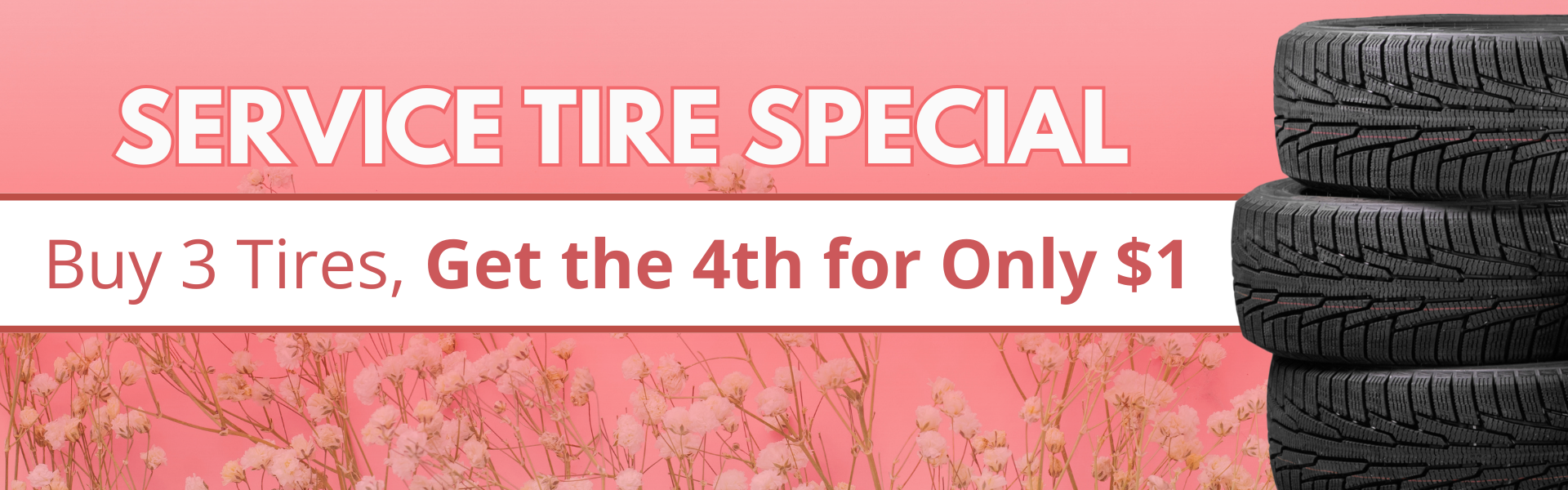
It’s time to hit the road with confidence this spring—starting with your tires. At Central Chevrolet in West Springfield, MA, we’re making it easier and more affordable than ever to upgrade your ride with our Buy 3, Get 1 for $1 tire offer.
🌼 Fresh Start Tire Event
When you buy three eligible tires, the fourth tire is just $1. Yes, you read that right—only a buck. It’s our way of helping you get back on the road with safety, value, and style.
Eligible Brands Include:
- BFGoodrich
- Bridgestone
- Continental
- Firestone
- Goodyear
- Michelin
- Pirelli
- And more!
🔧 Purchase and installation must be completed at Central Chevrolet, and the offer is valid until May 31, 2025.
🔁 Stack with Our Tire Price Match Guarantee
This offer stacks with our Tire Price Match Guarantee. If you find a better price on the same tire brand and model from a competitor within 100 miles, we’ll match it. If you find a better deal within 30 days of your purchase? We’ll refund the difference.
Why Choose Central Chevrolet?
- Factory-trained technicians
- Genuine GM parts and accessories
- Transparent pricing and top-tier service
- Conveniently located at 675 Memorial Avenue, West Springfield, MA
📅 Schedule Your Appointment Today
📍 Central Chevrolet
📞 (413) 781-3400
🌐 centralchevyauto.com
Don’t miss this limited-time offer to replace your tires at an unbeatable price. With spring in full bloom, there’s no better time to drive off with a full set of high-quality tires—without breaking the bank.
FAQ
Q: Which brands are included in the Buy 3, Get 1 for $1 promotion?
A: Eligible brands include BFGoodrich, Bridgestone, Goodyear, Michelin, Pirelli, and others.
Q: Do I need to install the tires at Central Chevrolet?
A: Yes, both purchase and installation must be completed at a participating U.S. GM dealership like Central Chevrolet.
Q: Can I use other discounts with this offer?
A: Yes! This offer stacks with our Tire Price Match Guarantee and other applicable Certified Service rebates.
Q: When does the offer end?
A: The promotion ends May 31, 2025.
As the snow melts and the roads clear, there’s no better time to give your vehicle a fresh start. At Central Chevrolet in West Springfield, MA, we’re rolling out unbeatable tire and brake specials to help you hit the road with confidence this spring.
🚗 Buy 3 Tires, Get 1 for $1 – Limited Time Only!
For the first time ever, Central Chevrolet is offering a Buy 3, Get 1 for $1 deal on select tire brands. That’s right—when you purchase and install three eligible tires, the fourth one is just a buck. It’s the perfect way to refresh your ride and your budget.
⏳ Offer ends May 31, 2025, so don’t wait!
🛞 Enjoy Our Tire Price Match Guarantee
Found a better tire price? Bring it to us at time of purchase, and we’ll match it. Even better, if you find a lower price within 30 days, we’ll refund the difference. This guarantee applies to top brands like:
- BFGoodrich
- Bridgestone
- Continental
- Goodyear
- Michelin
- Pirelli, and more
💰 Stackable Rebates on Brake & Suspension Services
In addition to our tire deals, you can claim up to $80 in rebates on crucial vehicle maintenance components. These include:
🔧 Brake Pads
- $40 rebate on GM Genuine Parts
- $30 rebate on ACDelco Gold
- $20 rebate on ACDelco Silver
⚙️ Brake Rotors
- $40 rebate on GM Genuine Parts
- $30 rebate on ACDelco Gold
- $20 rebate on ACDelco Silver
🚙 Shocks & Struts
- $80 rebate on GM Genuine Parts
- $60 rebate on ACDelco Gold
- $40 rebate on ACDelco Silver
🛠️ Tire Pressure Monitoring Sensors
- $40 rebate on GM Genuine Parts
- $30 rebate on ACDelco Gold
To be eligible, purchase and installation must be done at Central Chevrolet. Rebates are issued via Visa® Gift Card, and submissions must be made by June 30, 2025.
🎁 Enroll in My Chevrolet Rewards
When you visit us for service, you can also earn 3 points for every $1 you spend on eligible purchases when enrolled in My Chevrolet Rewards. Use your points toward future service, parts, or accessories.
📍 Visit Central Chevrolet Today!
📍 675 Memorial Avenue, West Springfield, MA 01080
📞 (413) 781-3400
🌐 centralchevyauto.com
Don’t miss this chance to gear up for spring with fresh tires, premium parts, and unbeatable prices. Schedule your appointment today and give your vehicle the spring refresh it deserves!
FAQ
Q: Which tire brands are eligible for the Buy 3, Get 1 for $1 offer?
A: Brands include BFGoodrich, Bridgestone, Continental, Firestone, Goodyear, Michelin, Pirelli, and others. Visit us to see the full list.
Q: Can I stack the rebate offers with the tire deal?
A: Yes! All rebates are stackable with the Buy 3, Get 1 for $1 tire promotion and the Tire Price Match Guarantee.
Q: How do I claim my rebate?
A: Rebates must be submitted online at mycertifiedservicerebates.com by June 30, 2025. Your rebate will be issued as a Visa Gift Card.
Q: Do I need to install the parts at Central Chevrolet to qualify?
A: Yes, both purchase and installation must be completed at a participating GM dealership like Central Chevrolet.
Connect with us


- June 2026
- May 2026
- April 2026
- March 2026
- February 2026
- January 2026
- December 2025
- November 2025
- October 2025
- September 2025
- August 2025
- July 2025
- June 2025
- May 2025
- April 2025
- March 2025
- February 2025
- January 2025
- December 2024
- November 2024
- October 2024
- September 2024
- August 2024
- July 2024
- June 2024
- May 2024
- April 2024
- March 2024
Archives
- 811 Detailing
- About Us
- Big C Near the Big E
- Blog
- Bodyshop
- Buying
- Charitable Participation
- community
- Company Culture
- Corvette Club of Western Mass
- Corvette Club of Western Mass
- customer service
- Dealership
- Departments
- Directions
- Electric Vehicles
- EV
- Features
- Finance
- Financing
- How-to
- Industry Trends
- Leasing
- Local
- Makes and Models
- News
- News and Events
- Opinion
- Parts
- Review
- Safety Tips
- Sales
- Sedan
- Service
- Service and Maintenance
- SUV
- Testimonials
- Tips
- Truck
- Uncategorized
- Vehicle Comparison
- Vehicle Review
- Vehicles