




Navigating the Truck Landscape: Why Chevrolet’s Proven Power Outshines the “Upcoming Slate”
The automotive world is constantly buzzing with new names and intriguing concepts, and one that’s recently surfaced is the “Slate Truck” – a new electric pickup endeavor aiming for a late 2026 launch as a 2027 model. With a focus on minimalist design and a low projected starting price, it’s generating some curiosity. However, when it comes to choosing a truck that’s ready to work as hard as you do, day in and day out, the proven legacy, unmatched capability, and comprehensive support of Chevrolet trucks stand in a class of their own.
At Central Chevrolet in West Springfield, MA, we understand that a truck is more than just transportation; it’s a vital tool, a trusted partner for work and adventure. While new ideas are always emerging, let’s explore why Chevrolet’s established lineup offers clear advantages over a nascent concept like the Slate Truck.
The Bedrock of Experience: Chevrolet’s Century of Truck Excellence vs. A Newcomer’s Blueprint
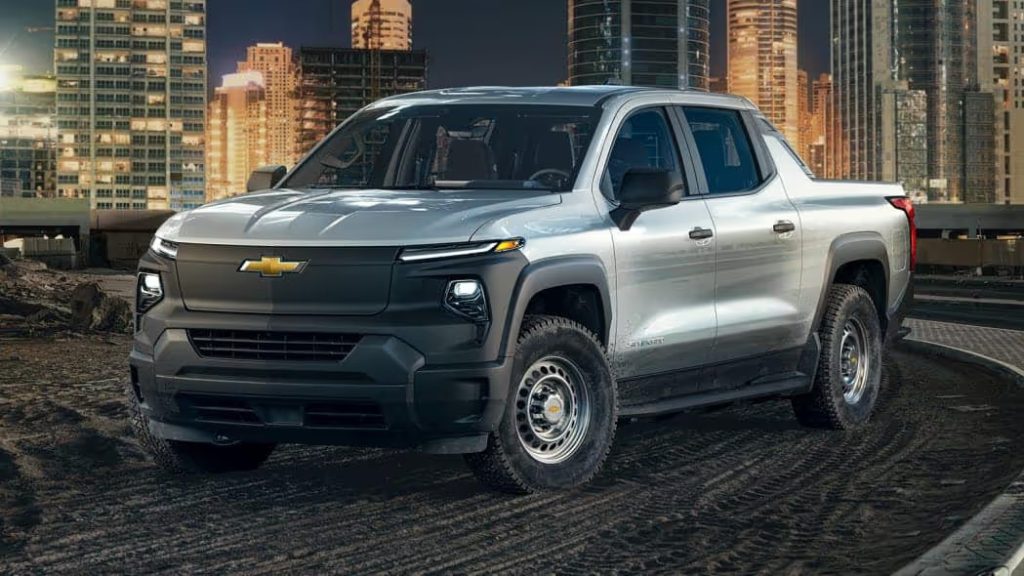
Chevrolet has been building trucks for over a century. That’s generations of engineering refinement, real-world testing in the toughest conditions, and a deep understanding of what truck owners truly need and expect. This legacy translates into:
- Proven Reliability: Chevrolet trucks, like the legendary Silverado and the versatile Colorado, have a documented history of durability and dependability. Millions of miles driven by satisfied customers back this up.
- The Slate Truck: As a new startup, Slate Auto is just beginning its journey. While innovation is exciting, it comes without the extensive track record of long-term reliability, parts availability, and service expertise that Chevrolet provides. Their first models are still more than a year away from potential delivery.
A Truck for Every Need: Chevrolet’s Diverse Lineup vs. Slate’s Niche Focus
Chevrolet offers a comprehensive range of trucks designed to meet a wide spectrum of demands:
- Chevrolet Lineup:
- Colorado: A capable and agile mid-size truck, perfect for work and off-road adventures.
- Silverado 1500: The full-size icon, offering a multitude of engine choices (including powerful V8s and efficient Duramax® Diesel options), bed lengths, and cab configurations.
- Silverado HD (2500HD & 3500HD): For the most demanding jobs, delivering immense towing and hauling power.
- Silverado EV: Chevrolet’s all-electric full-size truck, blending emissions-free driving with impressive capability and cutting-edge technology.
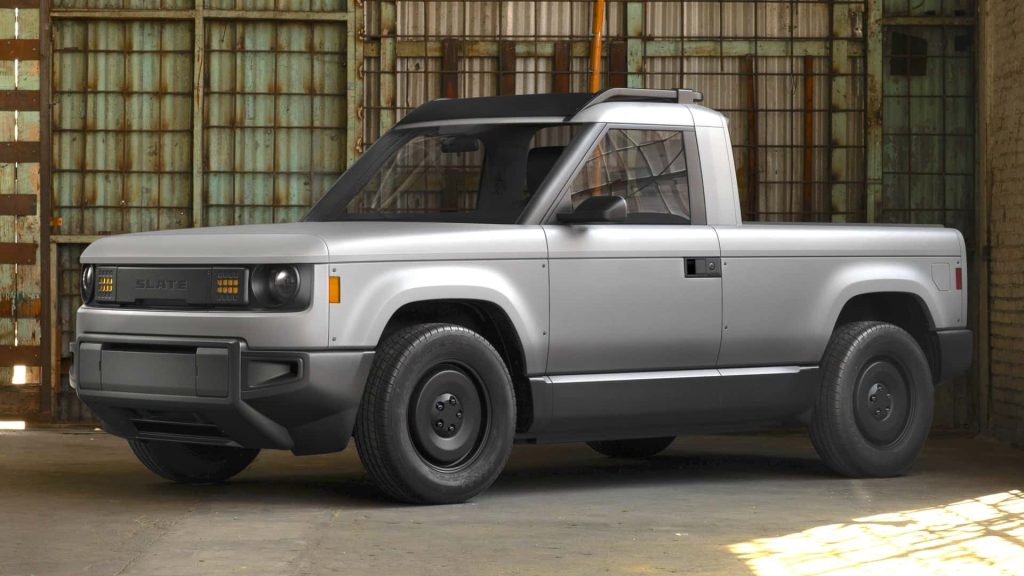
- The Slate Truck: The proposed Slate Truck is a singular, niche offering: a small, two-seater electric pickup with a 5-foot bed. It’s designed to be a basic, minimalist vehicle.
The Muscle to Move Mountains: Real-World Capability Where It Counts
This is where the differences become stark:
Towing and Payload:
- Chevrolet: Silverado models, for instance, can tow well over 10,000 pounds and offer substantial payload capacities, essential for trailers, equipment, and serious hauling. Even the Colorado boasts impressive figures for its class.
- Slate Truck: Is projected to have a very limited towing capacity of around 1,000 pounds and a payload of approximately 1,400 pounds. This significantly restricts its utility for common truck tasks.
Powertrain Performance and Options:
- Chevrolet: Offers a wide array of proven powertrains, from efficient turbocharged four-cylinders and robust V6s to mighty V8s and the legendary Duramax® Turbo-Diesel. The Silverado EV delivers impressive electric torque and range. Multiple drive configurations (2WD, 4WD) are available across the lineup.
- Slate Truck: Plans for a single electric motor producing around 201 horsepower, in a rear-wheel-drive configuration only. While suitable for light urban use, it won’t match the performance or versatility of Chevrolet’s offerings.
Off-Road Dominance:
- Chevrolet: Boasts dedicated off-road trims like the Z71, Trail Boss, and the incredible ZR2 (available on Colorado and Silverado), featuring factory lifts, specialized Multimatic™ DSSV dampers, locking differentials, and aggressive all-terrain tires.
- Slate Truck: While lift kits are mentioned as potential accessories, it is not inherently designed or marketed as an off-road capable vehicle in its base form.
Comfort, Technology, and Features: The Chevrolet Standard vs. Slate’s Spartan Approach
Your truck should be a comfortable and connected space.
Chevrolet Interiors & Tech:
- Modern, well-appointed cabins with available premium materials like leather.
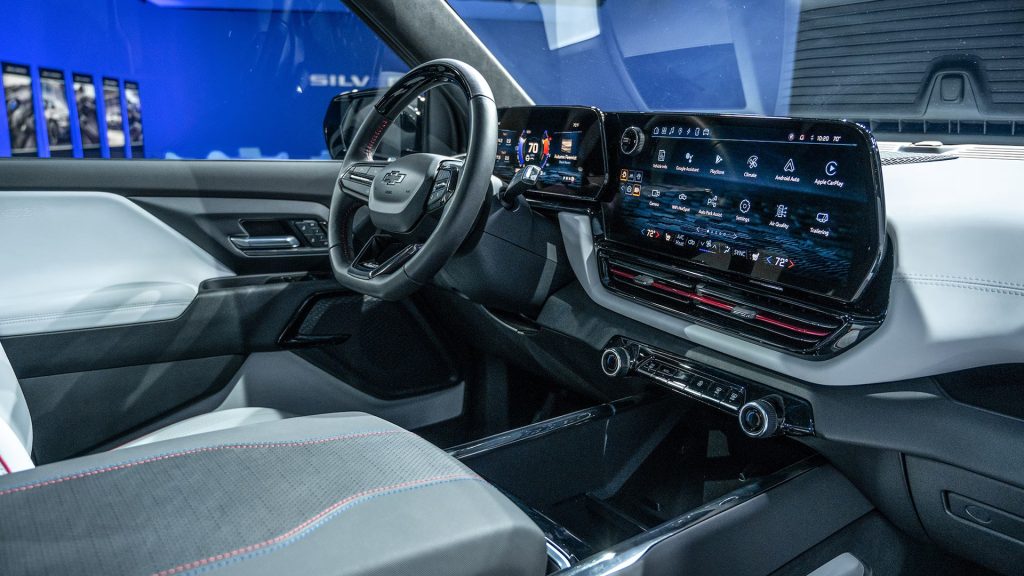
- Advanced infotainment systems with large touchscreens (like the 13.4-inch diagonal screen in the Silverado) and Google Built-in compatibility.
- Features like power-adjustable heated and ventilated seats, premium audio systems, and sophisticated driver-assist systems like Super Cruise™ hands-free driving technology.
Slate Truck Interior & Tech:
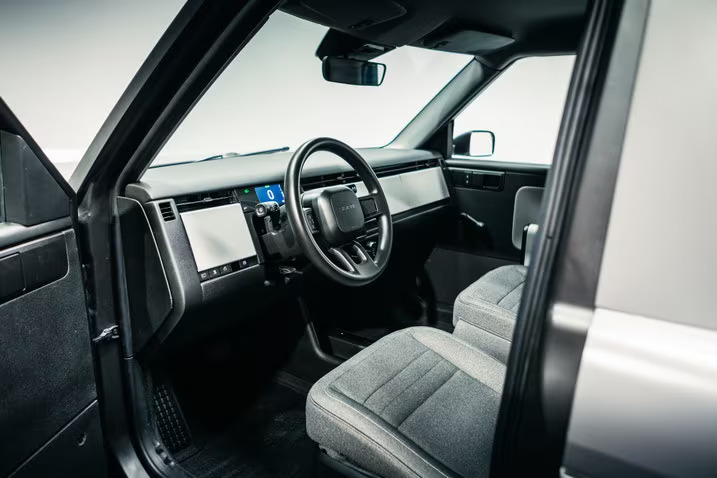
- Embraces a “bare-bones” philosophy with standard manual roll-down windows and no standard infotainment screen (a tablet mount is provided).
- A sound system is an optional extra.
- Customization relies heavily on adding accessories to unpainted composite body panels rather than integrated factory solutions.
The Power of Support: Dealer Network, Service, and Warranty
This is a crucial, often overlooked, factor:
Chevrolet (and Central Chevrolet):
- An extensive national network of dealerships, like right here at Central Chevrolet in West Springfield, MA, for sales, service, and readily available OEM parts.
- Factory-backed warranties offering comprehensive coverage.
- Certified technicians trained to work on all aspects of your Chevrolet truck.
Slate Truck:
- As a startup, its sales, service, and support infrastructure is yet to be built and proven. Long-term parts availability and warranty support are significant unknowns.
Making the Smart Choice for Your Truck Needs
While the idea of a highly affordable, minimalist EV truck like the Slate has a certain appeal for a very specific niche, it simply cannot compare to the established, versatile, and highly capable lineup offered by Chevrolet.
Chevrolet trucks are designed and built for the realities of hard work, adventurous play, and dependable daily driving. They offer a range of sizes, powertrains, and features to perfectly match your requirements, all backed by a legacy of trust and a robust support network.
Before you’re swayed by the buzz of something new and untested, we invite you to visit Central Chevrolet. Experience the proven power, capability, and refinement of the Chevrolet Colorado, Silverado, Silverado HD, and the innovative Silverado EV. Let our knowledgeable team help you find a truck that’s not just a concept, but a reliable partner ready for whatever you throw its way.
Your dependable workhorse or adventure companion is here at Central Chevrolet. Explore the Chevrolet truck lineup today!
Ready to Find Your Perfect Chevrolet Truck? Visit Central Chevrolet!
Stop by and see us to explore the full lineup of powerful and reliable Chevrolet trucks. Our team is ready to answer all your questions and help you find the truck that fits your life and work.
Central Chevrolet
Address: 675 Memorial Ave, West Springfield, MA 01089
Sales Phone: (413) 781-3400
Website: https://www.centralchevyauto.com/
We look forward to seeing you at Central Chevrolet!
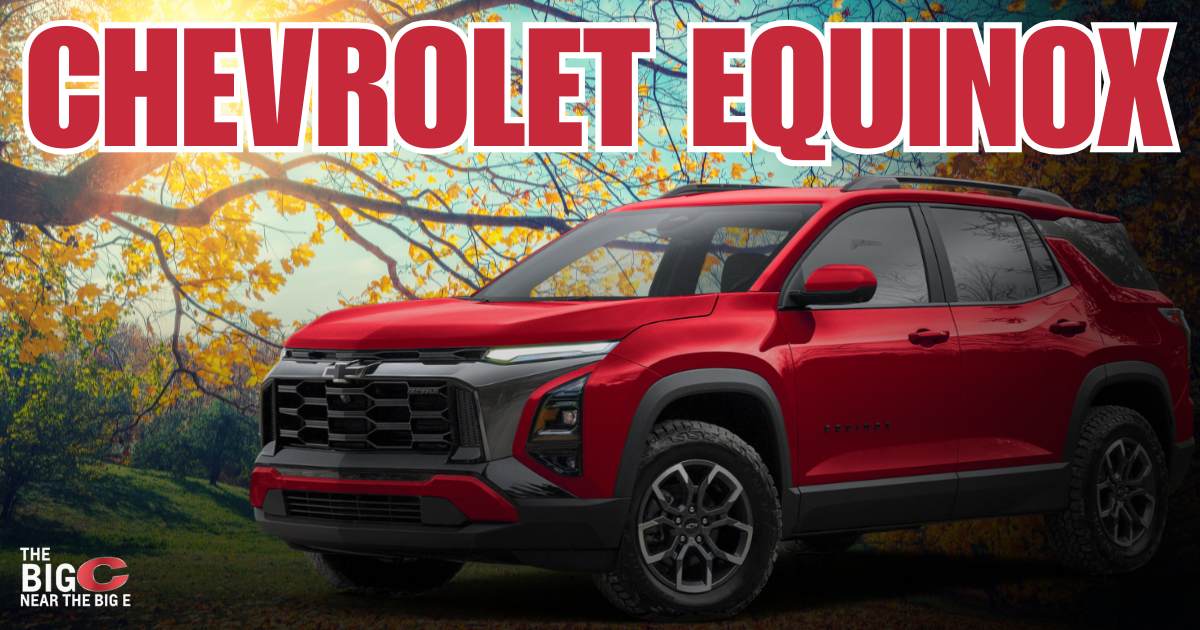
In the diverse landscape of West Springfield, from navigating city traffic to exploring the beautiful Pioneer Valley and beyond, drivers need a vehicle that’s as versatile as their lifestyle. Enter the Chevrolet Equinox – a compact SUV that consistently ranks among the most popular vehicles for its blend of practicality, technology, safety, and efficiency.
At Central Chevrolet, we see why the Equinox is such a favorite. It offers something for everyone, whether you’re a busy commuter, a growing family, or an adventurer seeking capability.
Versatile Size, Surprising Space
The Equinox hits a sweet spot in size. It’s compact enough to be nimble in parking lots and easy to maneuver on busy streets, yet offers a surprisingly spacious interior. With comfortable seating for five and a generous cargo area that expands significantly with the rear seats folded down, you have plenty of room for groceries, sports gear, luggage for a trip, or whatever else life throws your way.
Technology to Keep You Connected
Staying connected is key, and the Equinox delivers. Available features like the Chevrolet Infotainment System with intuitive touchscreens, Apple CarPlay® and Android Auto™ compatibility, and available built-in Wi-Fi® hotspot capability keep you entertained and connected on the go. It makes navigating West Springfield or streaming your favorite road trip playlist a breeze.
Confidence Through Safety
Chevrolet places a strong emphasis on safety, and the Equinox is equipped with Chevy Safety Assist, a suite of standard features designed to help give you peace of mind. This typically includes features like Forward Collision Alert, Automatic Emergency Braking, Lane Keep Assist with Lane Departure Warning, and more. Available advanced safety features further enhance your confidence on every drive.
Performance and Efficiency for Local Driving and Beyond
The Equinox offers capable performance that’s well-suited for both city driving and highway cruising. With available All-Wheel Drive (AWD), you gain extra confidence when tackling less-than-ideal road conditions that New England weather can sometimes bring. Plus, the Equinox is known for its competitive fuel efficiency, helping you go further between fill-ups, whether you’re commuting or exploring.
Style That Stands Out
With its modern design, the Equinox looks great parked in your driveway or cruising down Memorial Avenue. Available features like LED lighting and stylish wheel options let you personalize your ride.
Experience the Equinox at Central Chevrolet
For drivers in West Springfield, MA, the Chevrolet Equinox represents a smart and appealing choice for a compact SUV. Its blend of space, technology, safety, performance, and style makes it capable of handling daily commutes, family errands, and spontaneous adventures with ease.
Ready to see why the Equinox is such a popular choice? Visit Central Chevrolet in West Springfield today! Our team can walk you through the different trims and features, answer all your questions, and get you behind the wheel for a test drive.
Discover your next adventure vehicle. Explore our Chevrolet Equinox inventory online or stop by Central Chevrolet in West Springfield, MA!
We look forward to helping you find the perfect vehicle!

Spring has officially sprung in West Springfield, and while you’re busy with spring cleaning your home, don’t forget about your most important travel companion – your car! The harsh New England winter can take a toll on your vehicle, from corrosive road salt to temperature fluctuations. Taking the time for some essential spring car maintenance now can help ensure safe, reliable, and efficient driving throughout the warmer months.
At Central Chevrolet, we’re here to help you get your ride in top shape. Here’s a checklist of key areas to focus on:
1. Check Your Tires
Winter driving often involves potholes and varying road conditions. Inspect your tires for any signs of damage, like cuts or bulges. Check the tread depth using the penny test – if you can see Lincoln’s head, it’s time for new tires. Crucially, check your tire pressure. Temperature changes affect pressure, and properly inflated tires are vital for safety, fuel efficiency, and tire longevity. Don’t forget the spare!
2. Inspect Your Fluids
Fluids are the lifeblood of your vehicle. Check levels and condition of:
- Engine Oil: Ensure it’s at the correct level and isn’t dirty.
- Coolant: Vital for preventing overheating as temperatures rise.
- Brake Fluid: Low levels can indicate a problem with your brake system.
- Power Steering Fluid: Check for proper levels for easy steering.
- Windshield Wiper Fluid: You’ll need plenty for those spring showers and cleaning off pollen.
3. Test Your Brakes
Winter driving can be tough on brakes. Listen for any squeaking or grinding noises and pay attention to how your brakes feel. If your pedal feels soft or you notice any changes in braking performance, it’s time for an inspection. Safe brakes are non-negotiable.
4. Assess Your Battery
Cold weather is notorious for draining battery life. Even if your car started fine all winter, the warmer weather can sometimes reveal a weakened battery. Check for any corrosion around the terminals and ensure the connections are secure. If your battery is several years old, consider having it tested.
5. Replace Wiper Blades and Check Lights
Winter weather, especially snow and ice, can damage wiper blades. Replace any that are cracked or no longer clearing your windshield effectively. Visibility is key! Also, walk around your vehicle and ensure all your lights are working – headlights, taillights, turn signals, and brake lights.
6. Change Your Filters
A clogged engine air filter can reduce fuel efficiency and engine performance. A dirty cabin air filter can impact the air quality inside your car, which is especially important as allergy season arrives. Spring is a great time to replace both.
7. Give it a Good Cleaning (Inside and Out!)
Wash away the accumulated salt, sand, and grime from winter. This not only makes your car look better but also prevents rust and corrosion. Don’t forget to clean the interior, vacuuming up dirt and debris and wiping down surfaces.
Schedule Your Spring Service at Central Chevrolet!
Performing these checks now can save you from potential issues down the road. If you’re not comfortable performing these checks yourself, or if you find anything that needs attention, the certified technicians at Central Chevrolet in West Springfield, MA, are ready to help!
We offer comprehensive maintenance services to ensure your Chevrolet (or any make and model!) is running smoothly and safely for the spring and summer seasons.
Don’t wait until a small issue becomes a big problem. Schedule your spring service appointment at Central Chevrolet today!
Getting your car ready for spring means peace of mind on the road. Drive safely!
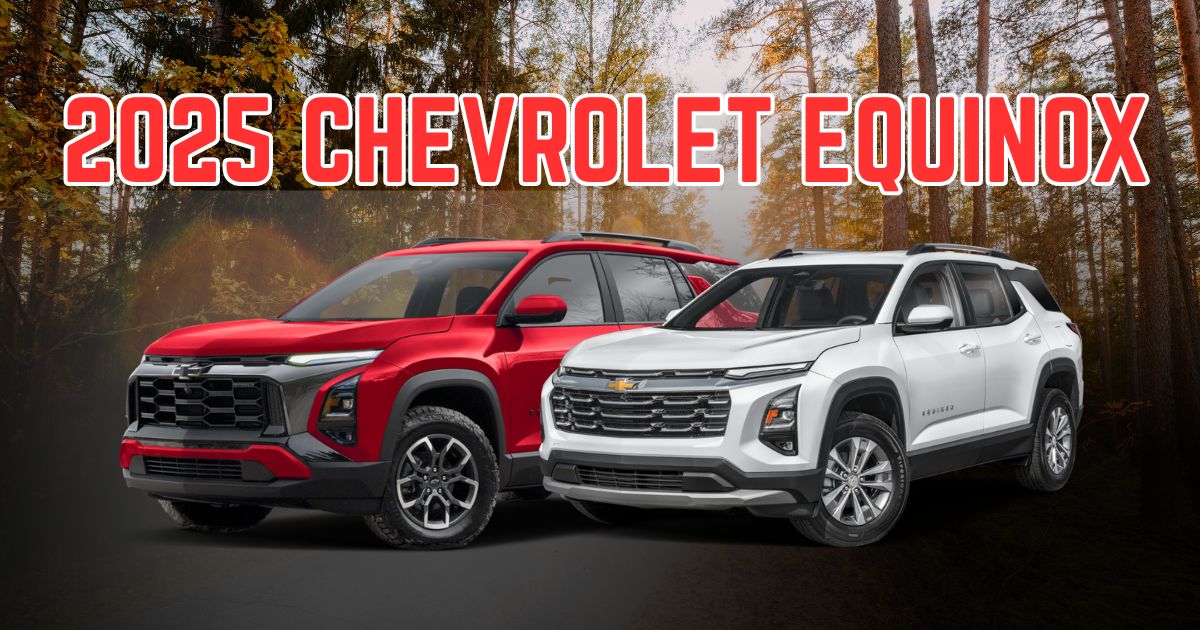
Get ready, West Springfield! The Chevrolet Equinox has been completely redesigned for 2025, and it’s arriving at Central Chevrolet with a bold new look, enhanced technology, and exciting new trim levels that are sure to turn heads. This popular compact SUV has always been a smart choice for families and individuals alike, and the 2025 model year takes its appeal to a whole new level.
If you’re looking for an SUV that perfectly blends style, versatility, and cutting-edge features, the 2025 Chevrolet Equinox deserves a top spot on your list. Let’s dive into what makes this revamped SUV a game-changer.
A Striking New Presence on the Road
The first thing you’ll notice about the 2025 Equinox is its more assertive and contemporary exterior. Chevrolet designers have given it a sharper, more confident stance with strong character lines and a modern front-end treatment. Each trim level boasts unique grille designs and wheel options, allowing you to choose an Equinox that truly matches your personal style. Plus, with available two-tone roof options on select trims, you can add an extra touch of personality.
Step Inside: A Tech-Focused and Comfortable Cabin
The interior of the 2025 Equinox has been thoughtfully redesigned to be both more stylish and more functional. The centerpiece is a stunning new 11.3-inch diagonal infotainment touchscreen, elegantly angled towards the driver for easy access. Seamlessly integrate your smartphone with standard wireless Apple CarPlay® and Android Auto™ compatibility. For an even more connected experience, Google built-in is available, offering Google Assistant, Google Maps, and access to apps on Google Play.
Beyond the impressive screen real estate, you’ll find:
- An 11-inch diagonal Driver Information Center that keeps key vehicle data clearly in view.
- Premium seating materials, including cloth, stylish Evotex, and even luxurious Evotex and sueded microfiber on higher trims.
- Ample passenger space for five, with generous legroom in both rows.
- Versatile cargo capacity, offering up to 63.5 cubic feet of space with the rear seats folded down.
- Clever storage solutions, like a hidden underfloor compartment in the cargo area.
- Available AutoSense Power Liftgate for hands-free convenience.
Introducing the Exciting New ACTIV and Revamped RS Trims
For 2025, the Equinox lineup is more diverse than ever with the introduction of the adventurous ACTIV trim and a sportier, redesigned RS trim, alongside the well-equipped LT base model.
- 2025 Equinox ACTIV: Ready for your next adventure, the ACTIV trim features a more rugged exterior design, unique 17-inch machined-face aluminum wheels with all-terrain tires, and an “ACTIV-tuned” suspension for enhanced capability. Inside, you’ll find distinctive Evotex and sueded microfiber seating surfaces with “ACTIV” stitched on the head restraints, and an available two-tone white roof option.
- 2025 Equinox RS: For those who crave a sportier aesthetic, the RS trim delivers with a unique grille and front fascia, blacked-out exterior accents and badging (including black mirrors and roof rails), and eye-catching 19-inch Carbon Flash metallic machined-face aluminum wheels (with 20-inch wheels available). The interior boasts Evotex seating with sporty Torch Red and Santorini Blue accent stitching and a flat-bottom steering wheel. An available two-tone black roof completes the look.
- 2025 Equinox LT: The LT trim serves as an impressive entry point, packed with standard features like heated front seats, a heated steering wheel, the 11.3-inch touchscreen, and a comprehensive suite of safety features.
Performance and Efficiency You Can Count On
Under the hood, the 2025 Chevrolet Equinox is powered by a responsive and efficient 1.5L turbocharged four-cylinder engine, producing 175 horsepower and 203 lb-ft of torque. This engine is paired with a smooth Continuously Variable Transmission (CVT) for front-wheel-drive models, while all-wheel-drive models benefit from an 8-speed automatic transmission for enhanced traction and performance. Expect impressive fuel economy, making the Equinox a smart choice for your daily commute around West Springfield and beyond. The Equinox also offers a towing capacity of up to 1,500 pounds when properly equipped.
Advanced Safety and Driver Assistance
Chevrolet’s commitment to safety shines through in the 2025 Equinox. Every model comes standard with Chevy Safety Assist, a suite of six advanced safety and driver assistance features:
- Automatic Emergency Braking
- Forward Collision Alert
- Front Pedestrian Braking
- Following Distance Indicator
- Lane Keep Assist with Lane Departure Warning
- IntelliBeam® Auto High Beams
Additional available safety features include Adaptive Cruise Control, Blind Zone Steering Assist, Rear Cross Traffic Braking, HD Surround Vision, and a Rear Camera Mirror, providing you with extra peace of mind on every journey.
Why Choose the 2025 Equinox from Central Chevrolet?
The all-new 2025 Chevrolet Equinox is more than just an SUV; it’s a versatile partner ready for your daily drives, weekend getaways, and everything in between. With its fresh styling, advanced technology, comfortable interior, and the introduction of the exciting ACTIV and RS trims, there’s an Equinox for every taste and lifestyle.
Be one of the first in West Springfield to experience the redesigned 2025 Chevrolet Equinox! Visit Central Chevrolet today for the latest information, to explore our incoming inventory, and to schedule your test drive. Our friendly and knowledgeable team is here to help you find the perfect Equinox to fit your needs.
Unleash Your Inner Adventurer: Discover the Unrivaled Power of the Chevrolet ZR2 at Central Chevrolet

Are you ready to leave the pavement behind and embrace the thrill of the unbeaten path? At Central Chevrolet in West Springfield, MA, we’re excited to showcase the legendary Chevrolet ZR2 lineup – a family of trucks engineered to dominate the most challenging terrains and ignite your spirit of adventure.
The ZR2 badge isn’t just a trim level; it’s a statement. It signifies a legacy of off-road prowess, born from a rich history of Chevrolet’s commitment to building trucks that can go anywhere and do anything. From its early days on the S-10 pickup to today’s formidable Colorado ZR2 and Silverado ZR2, the ZR2 nameplate has always represented the pinnacle of factory-engineered off-road capability.
What Makes the ZR2 Stand Out? Uncompromising Off-Road Technology.
Chevrolet’s ZR2 models are packed with specialized features designed to tackle rocks, mud, sand, and anything else Mother Nature throws your way. Here’s a glimpse of what makes these trucks true off-road champions:
- Multimatic™ DSSV Spool-Valve Dampers: This cutting-edge suspension technology, often found in high-performance motorsports, provides exceptional control and comfort, whether you’re crawling over boulders or cruising on the highway. It offers position-sensitive damping that adjusts to the terrain in real-time, giving you unparalleled stability and wheel contact.
- Factory-Installed Lift: ZR2 trucks boast a significant factory lift, providing increased ground clearance to overcome obstacles that would stop lesser trucks in their tracks. This means better approach, departure, and breakover angles for serious off-roading.
- Electronically Locking Differentials: Both front and rear e-lockers are available on ZR2 models. When engaged, they lock the wheels on an axle to spin at the same speed, providing maximum traction in low-grip situations.
- Aggressive Off-Road Tires: ZR2s come equipped with rugged, knobby off-road tires (often 33-inch or even 35-inch on select models like the Silverado HD ZR2 and Colorado ZR2 Bison) designed for superior grip on loose surfaces.
- Underbody Skid Plates: Critical undercarriage components are protected by robust skid plates, giving you the confidence to navigate challenging trails without fear of damage.
- Off-Road Optimized Fascias and Bumpers: The front bumpers are often uniquely designed for improved approach angles, allowing you to tackle steeper inclines.
- Reinforced Components: From stronger control arms to beefier axles, ZR2 trucks are built to withstand the rigors of extreme off-roading.
Meet the Contenders: Colorado ZR2 and Silverado ZR2
At Central Chevrolet, you can explore the dynamic duo of the ZR2 family:
Chevrolet Colorado ZR2: The mid-size adventure king! The Colorado ZR2 is nimble yet incredibly capable, making it perfect for navigating tight trails and exploring remote landscapes. * Powerhouse Performance: Often equipped with the potent TurboMax™ engine, delivering impressive horsepower and torque for responsive acceleration and trail-conquering power. * Driver-Selectable Modes: Tailor your truck’s performance with selectable drive modes, including an exclusive “Baja” mode for high-speed desert running in some configurations. * ZR2 Bison Edition: For the ultimate in off-road readiness, look for the available AEV-designed Bison editions, featuring additional armor, unique bumpers, and even more aggressive off-road gear.
Chevrolet Silverado ZR2: Full-size capability meets extreme off-road prowess. The Silverado ZR2 takes Chevrolet’s legendary full-size truck platform and elevates it to new heights of off-road dominance. * Unmistakable Power: Typically powered by a robust 6.2L V8 engine or the efficient and torque-rich Duramax® Turbo-Diesel, the Silverado ZR2 has the muscle to haul your gear and conquer any obstacle. * Spacious and Advanced Interior: While built for the wild, the Silverado ZR2 doesn’t skimp on comfort and technology. Enjoy features like large touchscreen infotainment systems, premium audio options, and advanced driver-assist technologies. * Silverado HD ZR2: For those who need maximum towing and hauling capability without sacrificing off-road grit, the Silverado HD ZR2 and its even more robust Bison variant are ready to take on the toughest jobs and most extreme adventures.
Beyond the Trail: Everyday Livability
While the ZR2s are born for the wild, they are also surprisingly comfortable and well-equipped for daily driving. The advanced suspension provides a smoother ride than you might expect from such a capable off-roader, and the cabins are loaded with modern conveniences and safety features, making them versatile enough for your weekday commute and your weekend expeditions.
Your Adventure Awaits at Central Chevrolet
The Chevrolet ZR2 lineup is more than just a collection of trucks; it’s an invitation to explore, to challenge, and to experience the world without limits. At Central Chevrolet in West Springfield, MA, our knowledgeable team is passionate about these incredible machines. We’re here to help you understand all the features and benefits of the Colorado ZR2 and Silverado ZR2 and find the perfect truck to fuel your adventures.
Visit Central Chevrolet today to witness the unmatched capability of the Chevy ZR2. Schedule a test drive and get ready to unleash your inner adventurer!
Visit us today at 675 Memorial Avenue, West Springfield, MA 01089 or call our team at (413) 781-3400
Frequently Asked Questions (FAQ) About the Chevrolet ZR2
Here are some common questions we receive about the incredible Chevrolet ZR2 lineup at Central Chevrolet:
Q1: What does “ZR2” actually mean?
A: ZR2 is a Regular Production Option (RPO) code used by Chevrolet to designate a special off-road/suspension package. Historically, it signifies a vehicle equipped with significant factory-installed upgrades for serious off-road performance, setting it apart from other trims.
Q2: Which Chevrolet models are available with the ZR2 package?
A: Currently, Chevrolet offers the ZR2 package on the Chevrolet Colorado (mid-size pickup) and the Chevrolet Silverado 1500 (full-size pickup). In the past, the ZR2 option was also available on models like the S-10 pickup, Blazer, and Tracker. For the latest availability, it’s always best to check with us at Central Chevrolet.
Q3: What are the standout off-road features of a Chevy ZR2?
A: ZR2 models are packed with off-road goodies! Key features generally include: * Multimatic™ DSSV spool-valve dampers: For exceptional control and comfort on and off-road. * Factory-installed suspension lift: Providing increased ground clearance and improved approach/departure/breakover angles. * Electronically locking front and rear differentials: For maximum traction in challenging conditions. * Aggressive off-road tires: Specifically designed for grip on various terrains. * Protective skid plates: Shielding vital underbody components. * Unique off-road front bumpers and fascias: Optimized for obstacle clearance. * Reinforced chassis and suspension components.
Q4: With all those off-road features, is a ZR2 still comfortable for daily driving?
A: Absolutely! While ZR2s are built for extreme capability, Chevrolet has engineered them to offer a surprisingly comfortable ride on paved roads. The advanced Multimatic™ DSSV dampers play a big role in this, providing a good balance between off-road control and on-road comfort. Plus, ZR2 interiors are equipped with modern technology and comfort features you’d expect in a contemporary truck.
Q5: What’s the main difference between the Colorado ZR2 and the Silverado ZR2?
A: The primary difference is size and, consequently, some capability aspects: * Chevrolet Colorado ZR2: A mid-size truck, making it more agile and maneuverable on tighter trails. It’s an excellent choice for those who prioritize off-road nimbleness. * Chevrolet Silverado ZR2: A full-size truck offering more interior space, payload capacity, and typically more powerful engine options, including a V8 or available diesel. It’s geared towards those who need full-size utility combined with serious off-road prowess.
Q6: I’ve heard about a “ZR2 Bison.” What is that?
A: The ZR2 Bison is an even more hardcore off-road version of the ZR2, developed in collaboration with American Expedition Vehicles (AEV), a renowned aftermarket off-road manufacturer. Bison models typically feature additional AEV-designed components like heavy-duty steel bumpers (often winch-capable), extra skid plates made from materials like Boron steel, and unique aesthetic touches. They represent the peak of factory off-road capability for Chevrolet trucks.
Q7: Can I test drive a Chevrolet ZR2 at Central Chevrolet in West Springfield, MA?
A: We encourage you to! The best way to experience the capability and feel of a ZR2 is from behind the wheel. Please contact us at Central Chevrolet or visit our dealership in West Springfield, MA, to inquire about our current ZR2 inventory and schedule a test drive.
Q8: What kind of engines can I expect in the ZR2 models?
A: Engine options vary by model and model year: * Colorado ZR2: Often features the powerful and efficient 2.7L TurboMax™ engine, delivering substantial horsepower and torque tuned for off-road demands. * Silverado ZR2: Typically comes standard with a potent 6.2L V8 engine. For select model years or configurations, a Duramax® Turbo-Diesel engine might also be available, offering excellent torque for towing and off-roading.
Shining a Spotlight on Safety: Congratulations to Mike Thomas, Our Safety Person of the Year!

At Central Chevrolet, the safety of our team and our customers is always a top priority. That’s why we’re thrilled to take a moment to celebrate an individual who consistently goes above and beyond to champion a safe working environment: Mike Thomas, our well-deserving Safety Person of the Year!



Mike’s dedication to fostering a culture of safety here at Central Chevrolet is truly commendable. Whether it’s meticulously ensuring all safety protocols are followed in the service bay, proactively identifying potential hazards in our customer areas, or simply reminding everyone about best practices, Mike’s commitment is unwavering.
“Safety isn’t just a set of rules; it’s a mindset,” Mike often says, and his actions reflect this philosophy. He’s not just about compliance; he’s about creating an environment where everyone feels secure and can work with confidence. You might see him conducting regular walk-throughs, offering helpful tips on lifting techniques, or making sure all equipment is in perfect working order. His proactive approach helps prevent incidents before they even happen, making Central Chevrolet a safer place for all of us.
Beyond the tangible actions, Mike’s positive attitude towards safety is infectious. He’s approachable, always willing to answer questions, and genuinely cares about the well-being of his colleagues. This makes it easy for everyone to embrace safety as a shared responsibility.
We are incredibly fortunate to have Mike as part of the Central Chevrolet family. His diligence and passion for safety make a real difference every single day.
So, please join us in congratulating Mike Thomas on this well-earned recognition as our Safety Person of the Year! Mike, thank you for your outstanding contributions to making Central Chevrolet a safer and better place to work and visit.
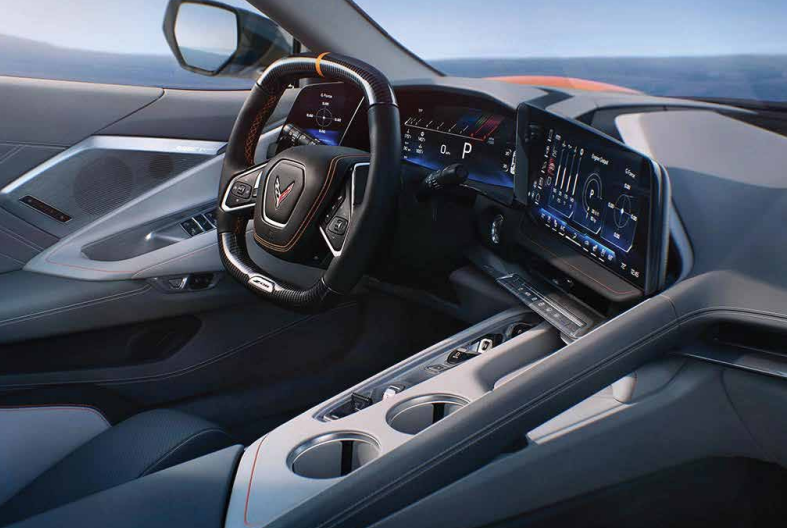
Chevrolet is leveling up the 2026 Corvette lineup with a complete cabin redesign, new “PTM” mode, and expanded personalization options across the Stingray, E-Ray, Z06, and ZR1. These updates continue to push the Corvette’s legacy as America’s leading performance sports car.
Inside the New Corvette: Where Form Meets Function
The most noticeable change is a totally reimagined interior. Every 2026 Corvette now features a sleek, three-screen layout: a 14-inch driver display, a 12.7-inch infotainment screen, and a 6.6-inch auxiliary touchscreen by the steering wheel. The center console has also been redesigned with more intuitive control placement, a larger volume knob, a new wireless charging pad, and repositioned AC buttons for a more open feel.
Craftsmanship is front and center with new materials, lighting, and four bold interior color schemes — including asymmetrical designs like Jet Black and Adrenaline Red. Drivers can even mix and match seat types and colors for a one-of-a-kind look.
Performance and Tech Go Even Further
The Corvette’s performance tech also gets a boost. A new PTM Pro mode gives skilled drivers more control by turning off traction and stability control while keeping ABS active. The Performance App now spans the full lineup, showing live power flow, G-forces, and vital temps for engine and transmission systems. An upgraded Performance Data Recorder offers HD video, real-time speed analysis, and automated tips — all viewable through the center screen. Google Built-in is standard across all models, supporting voice controls, apps like Chrome and HBO Max, and full connectivity. Apple CarPlay and Android Auto are also supported.
Top 3 Updates for 2026
Fully Redesigned Interior: Larger, driver-focused displays and a cleaner, modern layout.
New Performance Tools: PTM Pro driving mode and enhanced performance telemetry through the revamped Performance App and Data Recorder.
Expanded Customization: Four new interior colors, asymmetrical seating, electrochromic roof, new paint options, and even blue brake calipers.
Production starts August 4, 2025, with orders opening on June 26. With these updates, the 2026 Corvette isn’t just faster — it’s smarter, sleeker, and more personal than ever.
Experience the Electric Revolution with 0% Financing on the Chevy EV Lineup at Central Chevrolet!

The future of driving is electric, and there’s never been a better time to plug in! Here at Central Chevrolet, serving the greater Hartford and Springfield areas, including northern Connecticut and western Massachusetts, we’re thrilled to announce an electrifying financing offer that will make your transition to a Chevrolet EV seamless and affordable. Qualified buyers can drive home a brand-new Chevrolet Equinox EV, Blazer EV, or Silverado EV with 0% APR for 60 months!
Yes, you heard that right – zero percent interest for five whole years! This incredible offer makes owning a cutting-edge Chevy EV more accessible than ever before. Say goodbye to high gas prices and embrace the smooth, powerful, and efficient driving experience of a Chevrolet electric vehicle.
But the savings don’t stop there! When you choose a Chevy EV, you can also take advantage of significant federal and state tax credits, further reducing your overall cost of ownership. These incentives, combined with our exclusive Central Chevrolet savings, create an unprecedented opportunity to make the switch to electric mobility. Our team is well-versed in all available incentives and can help you navigate the process to maximize your savings.
The momentum behind Chevrolet EVs is undeniable. In recent months, Chevy has seen a significant growth in its ev market share, a testament to the compelling design, impressive range, and innovative technology packed into vehicles like the Equinox EV, Blazer EV, and Silverado EV. More and more drivers are recognizing the benefits of electric vehicles, from reduced emissions and lower running costs to a quieter and more engaging driving experience. Chevrolet is at the forefront of this electric revolution, offering a diverse lineup to meet various needs and lifestyles.
Let’s take a closer look at the exciting models included in this 0% financing offer:
- Chevrolet Equinox EV: This all-new, all-electric SUV is designed for everyday life, offering a spacious interior, impressive range, and stylish design. It’s the perfect EV for families, commuters, and anyone looking for a versatile and efficient vehicle.
- Chevrolet Blazer EV: With its sporty design and exhilarating performance, the Blazer EV redefines the electric SUV. Offering various range options and powerful electric powertrains, the Blazer EV delivers a thrilling driving experience without compromising on practicality.
- Chevrolet Silverado EV: The legendary Silverado goes electric! This powerful and capable pickup truck offers the ruggedness and versatility you expect from a Silverado, now with the added benefits of electric power, impressive towing and hauling capabilities, and advanced technology.
Imagine driving past the gas station, enjoying near-silent acceleration, and knowing you’re contributing to a cleaner environment – all while benefiting from 0% financing for 60 months! This offer significantly lowers your monthly payments, making it easier to fit a brand-new Chevy EV into your budget.
Don’t miss this exceptional opportunity to join the growing community of Chevy EV drivers. Visit us at Central Chevrolet in West Springfield today to explore the Equinox EV, Blazer EV, and Silverado EV. Our knowledgeable team is ready to answer your questions, discuss available tax credits and Central Chevrolet savings, and help you find the perfect electric vehicle to fit your needs.
Electrify your drive and your savings – visit Central Chevrolet today!
Call us at 413-781-3400 or stop by our showroom at 675 Memorial Avenue in West Springfield, MA.
We look forward to helping you experience the future of driving!
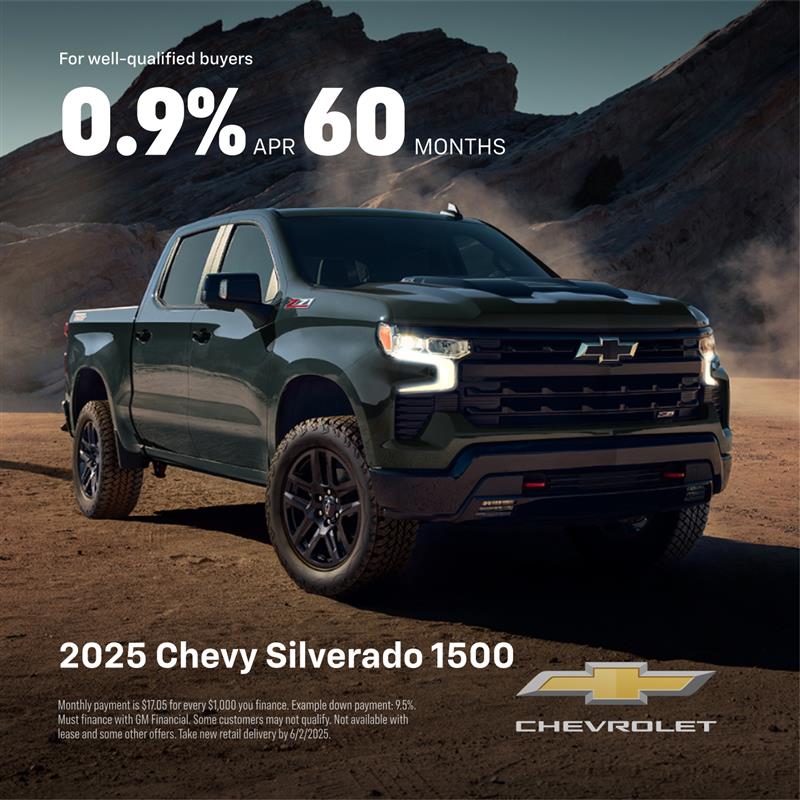
Drive Home a 2025 Chevrolet Silverado with Unbelievable Financing This May!
Are rising interest rates leaving you feeling stuck in neutral when it comes to buying a new truck? Well, get ready to shift into high gear! Here at Central Chevrolet, we’re thrilled to announce some truly exceptional financing offers on all 2025 Chevrolet Silverado Light Duty trucks throughout May, running all the way through June 2nd!
We understand that current economic conditions have many of our valued customers thinking twice about making big purchases. That’s why Chevrolet is stepping up with financing options that will make owning the powerful and reliable 2025 Silverado more attainable than ever. Prepare to be amazed by these limited-time offers:
- 0% APR for 48 Months: Yes, you read that right! Imagine driving away in a brand-new Silverado with absolutely no interest for four full years. On average, this translates to a significant $110 improvement in your monthly payment compared to typical financing rates. Think of what you could do with that extra cash each month!
- 0.9% APR for 60 Months: Looking for a bit more flexibility in your payment timeline? We’ve got you covered! Secure a super-low 0.9% APR for 60 months and experience substantial savings over the life of your loan. In fact, on average, this offer can save you OVER $110 per month, totaling an incredible average finance savings of $6,681! That’s money back in your pocket to enjoy the open road.
- 4.9% APR for 84 Months: For those seeking the lowest possible monthly payment, our 4.9% APR for 84 months option provides an extended term while still offering a competitive interest rate in today’s market.
This is the perfect opportunity to upgrade to the rugged capability, advanced technology, and undeniable style of the 2025 Chevrolet Silverado Light Duty. Whether you need a truck for work, play, or everything in between, the Silverado delivers unmatched performance and dependability.
Don’t let concerns about interest rates hold you back any longer. These incredible financing offers won’t last forever – they end on June 2nd! Now is the time to visit us at Central Chevrolet in West Springfield and explore the full range of 2025 Silverado Models. Our friendly and knowledgeable finance team is here to answer all your questions and help you find the perfect truck and financing solution to fit your needs.
Ready to experience the Silverado difference and take advantage of these exceptional savings?
Visit us today at 675 Memorial Avenue in West Springfield or call us at 413-781-3400 to learn more!
Don’t miss out on this limited-time opportunity to drive the truck of your dreams! Serving Western Mass and Northern Connecticut since 1966!
KBB Zero APR Guide: https://www.kbb.com/car-advice/zero-apr-guide/
US News Silverado Review: https://cars.usnews.com/cars-trucks/chevrolet/silverado-1500
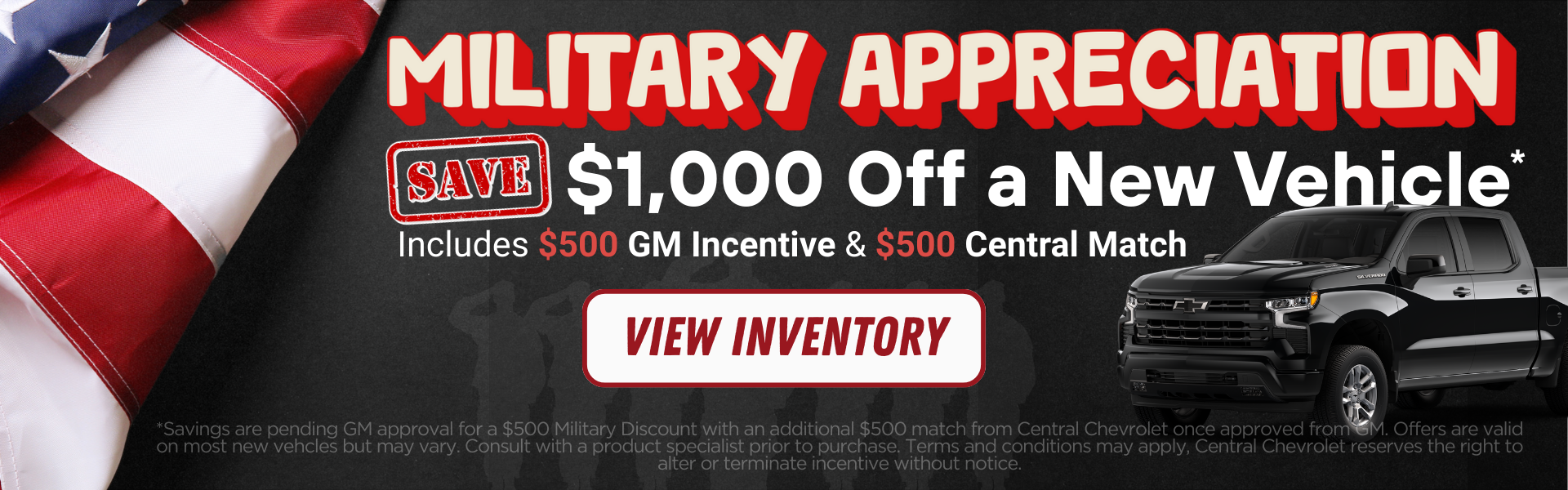
🎖️ Save $750 This May
This Military Appreciation Month, Central Chevrolet in West Springfield is proud to say thank you with $750 off any new Chevrolet:
- $500 GM Military Incentive
- $250 Central Chevrolet Dealer Match
✅ Who Qualifies?
- Active Duty
- Veterans
- National Guard & Reserve
Required Documentation (one of the following):
- U.S. Military ID
- Leave & Earnings Statement (LES)
- Veterans Organization Card
- Veteran designation on driver’s license
📝 How It Works
- Choose your new Chevrolet (Silverado, Equinox, Tahoe, Blazer & more).
- Verify your service at our dealership.
- Receive the $500 GM Military Incentive upon GM approval.
- Enjoy an additional $250 match from Central Chevrolet at signing.
🚙 Eligible Models
Most 2025 and 2024 Chevrolet vehicles qualify, including:
- Silverado 1500
- Equinox
- Traverse
- Tahoe
- Blazer
Check with a Product Specialist for model-specific eligibility.
❓ FAQ
Q: Can my spouse sponsor me?
A: Yes—eligible participants may sponsor one spouse.
Q: Are there any additional fees?
A: Tax, title, license and dealer fees extra. Not combinable with certain other offers.
Q: How long does this offer last?
A: Available through May. Contact us for exact end date and vehicle availability.
📍 Visit Central Chevrolet
Address:
675 Memorial Avenue
West Springfield, MA 01080
Phone: (413) 781-3400
Web: centralchevyauto.com
Savings are pending GM approval of a $500 Military Discount with an additional $250 dealer match upon incentive approval. Offers valid on most new vehicles. See dealer for complete details; terms and conditions may apply and can be changed or terminated without notice.
Connect with us


- June 2026
- May 2026
- April 2026
- March 2026
- February 2026
- January 2026
- December 2025
- November 2025
- October 2025
- September 2025
- August 2025
- July 2025
- June 2025
- May 2025
- April 2025
- March 2025
- February 2025
- January 2025
- December 2024
- November 2024
- October 2024
- September 2024
- August 2024
- July 2024
- June 2024
- May 2024
- April 2024
- March 2024
Archives
- 811 Detailing
- About Us
- Big C Near the Big E
- Blog
- Bodyshop
- Buying
- Charitable Participation
- community
- Company Culture
- Corvette Club of Western Mass
- Corvette Club of Western Mass
- customer service
- Dealership
- Departments
- Directions
- Electric Vehicles
- EV
- Features
- Finance
- Financing
- How-to
- Industry Trends
- Leasing
- Local
- Makes and Models
- News
- News and Events
- Opinion
- Parts
- Review
- Safety Tips
- Sales
- Sedan
- Service
- Service and Maintenance
- SUV
- Testimonials
- Tips
- Truck
- Uncategorized
- Vehicle Comparison
- Vehicle Review
- Vehicles