




In today’s automotive market, making a smart choice for your next vehicle is more important than ever. While new cars offer cutting-edge features and used cars present an accessible entry point, there’s a sweet spot that combines the best of both worlds: a Certified Pre-Owned (CPO) Chevrolet.
At Central Chevrolet in West Springfield, MA, we’re not just selling cars; we’re building relationships and offering peace of mind to our community. For West Springfield drivers looking for exceptional value, reliability, and security, a Central Chevrolet CPO vehicle stands out.
But what exactly makes a CPO Chevy from our dealership the smarter choice? Let’s dive in.
Beyond “Used”: The Chevrolet CPO Difference
Many people think “pre-owned” and “used” are interchangeable, but with Chevrolet’s CPO program, there’s a crucial distinction. A CPO Chevrolet isn’t just any used car; it’s a vehicle that has undergone a rigorous, multi-point transformation to meet strict factory standards.
Here’s what sets a Central Chevrolet CPO vehicle apart:
- The 172-Point Inspection: Every CPO Chevrolet must pass a meticulous 172-point inspection by certified Chevrolet technicians. This isn’t a quick once-over. Our expert team at Central Chevrolet examines everything from the engine and transmission to the brakes, tires, and even the smallest interior components. If it doesn’t meet our exacting standards, it doesn’t earn the CPO badge.
- Factory-Backed Warranties: This is perhaps the biggest differentiator and a huge confidence booster. When you buy a CPO Chevrolet from Central Chevrolet, you’re backed by:
- 6-Year/100,000-Mile Powertrain Limited Warranty: This covers the most vital components of your vehicle and offers roadside assistance.
- 12-Month/12,000-Mile Bumper-to-Bumper Limited Warranty: This provides extensive coverage, giving you peace of mind from day one. These warranties are factory-backed, meaning they’re honored at any Chevrolet dealership across the country, not just ours.
- Scheduled Maintenance Program: To help you maintain your CPO vehicle’s performance and longevity, every CPO Chevy from Central Chevrolet comes with scheduled maintenance, including two visits within the first 2 years/24,000 miles. This is a significant added value and helps keep your running costs low.
- Vehicle History Report: Transparency is key. Every CPO vehicle at Central Chevrolet comes with a free CARFAX® Vehicle History Report, so you know exactly where your car has been and its maintenance history. No surprises, just confidence.
- 3-Day/150-Mile Exchange Policy*: Not absolutely thrilled with your CPO purchase? Central Chevrolet offers a 3-day/150-mile exchange policy (whichever comes first). This shows our commitment to your satisfaction and ensures you drive off with the perfect vehicle.
Why Buy Your CPO Chevrolet at Central Chevrolet in West Springfield?
Choosing a CPO vehicle is smart, but choosing where you buy it is even smarter. As your local Chevrolet dealership in West Springfield, Central Chevrolet offers distinct advantages:
- Local Trust and Accountability: We’re a part of the West Springfield community. Our reputation matters, and we stand behind every vehicle we sell. You’re dealing with neighbors, not just an anonymous online seller.
- Expert Service & Support: Many of our CPO vehicles have been exclusively serviced here at Central Chevrolet for their lifetime. Our certified technicians know Chevrolet vehicles inside and out. When it comes time for maintenance or service, you can trust that your CPO vehicle is in the best hands right here in West Springfield.
- Convenient Location: Forget long drives to distant dealerships. Central Chevrolet is right here for all your sales and service needs.
- Personalized Experience: We take the time to understand your needs and help you find the CPO Chevrolet that perfectly fits your lifestyle and budget.
Drive Smarter, Drive Confident with Central Chevrolet CPO
For West Springfield residents, a Certified Pre-Owned Chevrolet from Central Chevrolet isn’t just a car; it’s an investment in quality, reliability, and peace of mind. It’s the assurance that you’re getting a top-tier vehicle, backed by a comprehensive program and supported by a dealership that genuinely cares.
Ready to explore our impressive inventory of Certified Pre-Owned Chevrolet models? Visit Central Chevrolet in West Springfield, MA, today or browse our CPO selection online. Experience the Central Chevrolet CPO advantage for yourself!
*Whichever comes first. Vehicle exchange only. Limitations apply. See dealer for details.
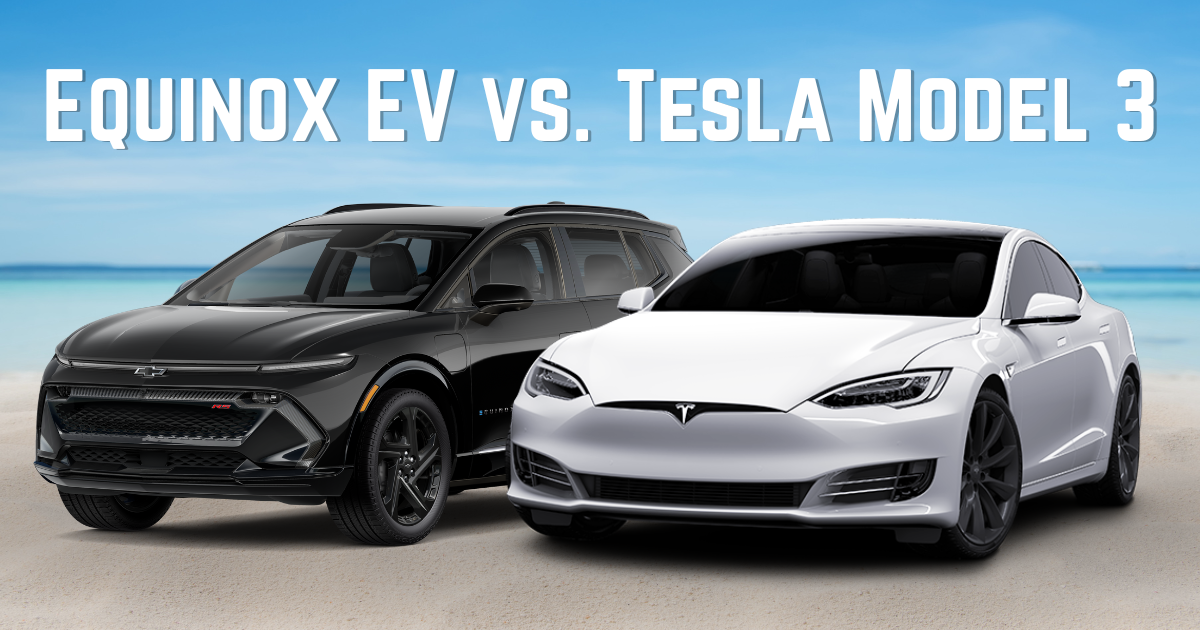
The electric vehicle landscape is buzzing, and while the Tesla Model 3 often dominates the conversation, a closer look reveals a compelling contender emerging from Chevrolet: the 2025 Equinox EV. For drivers in Chicopee, MA, and the wider region, the Equinox EV offers a blend of practicality, advanced technology, and a distinct advantage in ownership support that the Model 3 can’t quite match. Let’s delve deeper into why choosing the Chevrolet could be the more astute decision.
While the allure of the Tesla brand is undeniable, the reality of EV ownership extends far beyond performance figures and sleek design. A critical aspect often overlooked is the accessibility and convenience of service and maintenance. This is where Chevrolet, backed by the expansive infrastructure of General Motors, truly shines.
Imagine needing a repair on your Tesla Model 3. Depending on your location, you might face the inconvenience of scheduling service at a relatively distant Tesla service center, potentially requiring towing and longer wait times. Stories of Tesla owners encountering such logistical hurdles are not uncommon.
Now, consider the Chevrolet experience. At Central Chevrolet right here near Chicopee, we have GM-certified EV technicians expertly trained to care for your Equinox EV. But the advantage doesn’t end with our local expertise. We are part of a nationwide network of Chevrolet dealerships, the vast majority of which are also equipped with EV-trained technicians. GM’s extensive network means that wherever your travels take you, access to qualified service for your Chevrolet EV is likely just a short drive away. With a significant percentage of the US population residing within a short distance of a GM dealership, the convenience and peace of mind this provides are substantial.
But the Equinox EV’s appeal isn’t solely based on its service accessibility. It’s a meticulously designed electric SUV that caters to the needs of modern drivers:
- Impressive Range: Offering an EPA-estimated range of up to 319 miles on the front-wheel drive configuration, the Equinox EV provides the confidence to tackle daily commutes and longer journeys around Massachusetts and beyond.
- Spacious and Versatile Interior: With comfortable seating for five and a generous maximum cargo capacity of 57.2 cubic feet, the Equinox EV offers the practicality that SUV enthusiasts value. Whether it’s groceries from the Eastern States Exposition or gear for a weekend trip to the Berkshires, the Equinox EV has you covered.
- Cutting-Edge Technology: The interior is dominated by a striking 17.7-inch diagonal center touchscreen, providing intuitive access to infotainment and vehicle controls. Standard Chevy Safety Assist offers a suite of six advanced safety and driver assistance features, enhancing your confidence on the road.
- Exceptional Value: Starting at an attractive price point and eligible for the full $7,500 federal tax credit for qualifying buyers, the Equinox EV presents a compelling value proposition in the EV market, potentially making it a more financially accessible option compared to the Tesla Model 3.
While the Tesla Model 3 undoubtedly boasts performance and a strong brand image, the 2025 Chevrolet Equinox EV offers a more holistic ownership experience, particularly when considering the convenience and accessibility of service through GM’s extensive network. It combines practicality, advanced features, and compelling value, making it a smart choice for EV buyers in Chicopee, MA, and across the nation.
Visit us at Central Chevrolet near Chicopee to discover the 2025 Chevrolet Equinox EV and experience the Chevrolet difference!
Frequently Asked Questions (FAQ)
Q: How does the range of the Chevrolet Equinox EV compare to the Tesla Model 3? A: The 2025 Chevrolet Equinox EV offers an EPA-estimated range of up to 319 miles on front-wheel drive models. The Tesla Model 3’s range varies depending on the specific trim level. It’s best to compare the specific configurations you are considering.
Q: Where can I get my Chevrolet Equinox EV serviced? A: One of the key advantages of the Equinox EV is the extensive network of General Motors dealerships. You can get your Equinox EV serviced at Central Chevrolet in West Springfield, MA, and at the vast majority of Chevrolet dealerships nationwide, all of which have access to GM-trained EV technicians.
Q: Does the Chevrolet Equinox EV qualify for the federal tax credit? A: Yes, the 2025 Chevrolet Equinox EV is eligible for the full $7,500 federal tax credit for eligible buyers. Please consult the latest IRS guidelines to confirm your eligibility.
Q: How does the interior space of the Equinox EV compare to the Tesla Model 3? A: The Chevrolet Equinox EV is an SUV, offering a more spacious interior, particularly in terms of cargo capacity, with a maximum of 57.2 cubic feet. The Tesla Model 3 is a sedan and offers less cargo space.
Q: What technology features are included in the Chevrolet Equinox EV? A: The Equinox EV comes standard with a 17.7-inch diagonal center touchscreen infotainment system and Chevy Safety Assist, a suite of six advanced safety and driver assistance features.
Listen Up! What Those Strange Car Noises Mean for Your Chevy & When to Call Central Chevrolet Service
Is your Chevrolet trying to tell you something? Our vehicles often communicate through subtle (and sometimes not-so-subtle) sounds. While the hum of a healthy engine is music to any driver’s ears, new or unusual noises can be a sign that your car needs attention. Ignoring these auditory warnings could lead to bigger, more expensive problems down the line, and potentially compromise your safety.
Here at Central Chevrolet in West Springfield, MA, we want you to be informed. Understanding what common car noises might indicate can help you decide when it’s time to let our expert service technicians take a closer look.
1. High-Pitched Squeal or Harsh Grinding When Braking
- The Sound: A piercing squeal as you press the brake pedal, or a more aggressive, metallic grinding noise.
- Potential Problems: This is a classic indicator of brake system issues.
- Worn Brake Pads: That initial squeal is often the sound of brake pad wear indicators, telling you the pads are nearing the end of their life.
- Damaged Brake Rotors: Grinding often means the pads are completely worn, and metal is now scraping against the rotors. This can significantly reduce stopping power and damage the rotors.
- Other Brake Hardware: Issues with brake calipers, clips, or other hardware can also contribute to unusual braking sounds.
- What to Do: Brake issues are a safety priority. Don’t delay! Schedule a service appointment at Central Chevrolet to have your brake system thoroughly inspected by our certified technicians.
2. Clicking or Popping, Especially When Turning
- The Sound: A rhythmic clicking or popping noise that becomes more pronounced when you’re turning the steering wheel.
- Potential Problems: This often points to trouble with your CV (Constant Velocity) Joints or Axles.
- Worn CV Joints: CV joints are crucial for transferring power to your wheels while allowing them to turn and move with the suspension. A common cause of failure is a tear in the protective rubber boot, allowing dirt and grime to damage the joint.
- What to Do: If you hear this, it’s wise to have it checked out. A failing CV joint can eventually lead to a loss of power to the wheel. Contact Central Chevrolet’s service department for a diagnosis.
3. Rumbling or Humming That Intensifies with Speed
- The Sound: A low-frequency rumbling or humming noise, often seeming to come from one corner of the car, that gets louder or changes pitch as you accelerate.
- Potential Problems: This is a common symptom of a failing Wheel Bearing or Hub Assembly.
- Worn Wheel Bearings: These bearings allow your wheels to spin smoothly. When they wear out, friction increases, creating the characteristic humming or growling sound. This can also affect tire wear and alignment.
- What to Do: A bad wheel bearing can eventually lead to more serious issues, including wheel detachment in extreme cases. It’s best to have this diagnosed promptly. Book your service visit with Central Chevrolet today.
4. Sharp Squealing or Chirping from Under the Hood
- The Sound: A shrill squeal or a series of chirps, often louder when the engine is first started (especially in cold or damp weather) or when accelerating.
- Potential Problems: This usually indicates an issue with your Engine Belts or Pulleys.
- Worn or Loose Belts: The serpentine belt (or other accessory belts) powers important components like the alternator, power steering pump, and A/C compressor. If a belt is worn, glazed, or loose, it can slip on the pulleys, causing a squeal.
- Failing Tensioners or Pulleys: The bearings in belt tensioners or idler pulleys can also wear out, leading to chirping or squealing.
- What to Do: While sometimes just an annoyance, a broken belt can leave you stranded. Let our technicians take a look. Schedule your appointment at Central Chevrolet in West Springfield.
5. Louder-Than-Usual Roaring or Hissing from Your Exhaust
- The Sound: Your Chevy suddenly sounds like a race car (and not in a good way), or you hear a distinct hissing or rattling from underneath.
- Potential Problems: This points directly to your Exhaust System.
- Damaged Muffler: Mufflers can rust out or become damaged, leading to a loud roar.
- Exhaust Pipe Leaks: Cracks or holes in the exhaust pipes can cause loud noises and also allow harmful exhaust fumes to potentially enter the cabin.
- Catalytic Converter Issues: Problems with the catalytic converter can sometimes manifest as rattling sounds or changes in exhaust noise.
- What to Do: An exhaust leak isn’t just loud; it can be a health hazard. Get your Chevy checked by the service professionals at Central Chevrolet.
6. Persistent Hissing from the Engine Bay (Even After Shutoff)
- The Sound: A distinct hissing sound, sometimes noticeable even for a short while after you’ve turned the engine off.
- Potential Problems: This could be a Cooling System Leak or a Vacuum Leak.
- Cooling System: Hot coolant escaping from a small crack in a hose, a loose connection, or a pinhole in the radiator can create a hissing sound as it vaporizes. Overheating is a serious risk.
- Vacuum Hoses: Your engine relies on vacuum pressure for several functions. A cracked or disconnected vacuum hose can cause a hiss and may lead to poor engine performance or a check engine light.
- What to Do: Don’t ignore hissing sounds, as they can signify developing problems that could lead to overheating or performance issues. It’s time to schedule a service inspection at Central Chevrolet.
Your Chevy Deserves Expert Care
Hearing an unusual noise doesn’t always mean a major repair is imminent, but it’s always wise to get it checked out by professionals. Early diagnosis and repair can save you time, money, and ensure your Chevrolet continues to operate safely and reliably for years to come.
If your Chevy is making a sound that concerns you, don’t wait. Contact Central Chevrolet in West Springfield, MA, today to schedule a service appointment. Our skilled technicians will diagnose the issue and, if parts are needed, will use quality components to get you back on the road with confidence. Your peace of mind is our priority!
Keep Your Chevy Running Strong: Why Genuine Parts Matter for Every Season in New England
As the seasons change here in West Springfield, MA, so do the demands on your trusty Chevrolet. From the summer heatwaves on the Pike to the icy grip of a New England winter, and the variable conditions of spring and fall in between, your vehicle’s components are constantly working hard. Ensuring your Chevy is ready for whatever Mother Nature throws its way starts with using the right parts – Genuine Chevrolet Parts from Central Chevrolet.
While regular maintenance is key to longevity, the parts you choose for repairs and replacements play a crucial role in your vehicle’s performance, safety, and even its resale value. Let’s explore why opting for Original Equipment Manufacturer (OEM) parts from our dedicated parts department is the smart choice for your Chevrolet.
The Unseen Heroes: Common Parts That Keep You Moving
Day in and day out, certain parts of your Chevy bear the brunt of your daily commute and weekend adventures. These are some of the most common items our parts department helps customers with:
- Filters (Oil, Engine Air, Cabin Air): Clean filters are essential for optimal performance and efficiency. Oil filters keep your engine’s lifeblood clean, engine air filters ensure your engine breathes properly, and cabin air filters keep the air inside your vehicle fresh – a must during pollen season or dusty summer days.
- Brakes (Pads, Rotors, Fluid): Your safety depends on them. OEM brake components are designed specifically for your Chevy model, ensuring optimal stopping power and durability. Don’t compromise when it comes to braking performance.
- Tires: As the only contact point with the road, tires are critical for handling, traction, and fuel economy. We can help you find the right OEM-recommended tires for your specific Chevrolet and driving needs.
- Wiper Blades: New England weather is unpredictable. Clear visibility is paramount. Genuine Chevrolet wiper blades are designed for a perfect fit and streak-free performance, crucial during sudden downpours or wintery mixes.
- Battery: Extreme temperatures, both hot and cold, can take a toll on your battery. An OEM battery provides reliable starting power, engineered to meet your Chevy’s electrical demands.
- Lights (Headlights, Taillights, Bulbs): Seeing and being seen is vital. OEM lighting components ensure proper fit and brightness, keeping you safe on dark or foggy roads.
- Spark Plugs: Essential for engine combustion and efficiency, using the correct OEM spark plugs helps maintain smooth performance and fuel economy.
Why Insist on Genuine Chevrolet Parts? The OEM Advantage.
While aftermarket parts might sometimes seem like a cost-saving option, they often come with hidden compromises. Here’s why genuine OEM Chevrolet parts from Central Chevrolet are the superior choice:
- Perfect Fit and Function: OEM parts are engineered by Chevrolet, for Chevrolet vehicles. This means they are designed to fit perfectly and integrate seamlessly with your car’s existing systems, ensuring optimal performance and eliminating the guesswork that can come with universal aftermarket parts.
- Guaranteed Quality and Durability: Genuine Chevrolet parts are manufactured to the highest quality standards and rigorously tested to meet Chevrolet’s strict specifications. This translates to longer-lasting components and greater peace of mind.
- Warranty Protection: Many OEM parts come with a manufacturer’s warranty, offering an extra layer of protection and assurance. Using genuine parts can also help maintain your vehicle’s original warranty.
- Preserving Resale Value: Using OEM parts for repairs and maintenance can help maintain your Chevrolet’s resale value. Prospective buyers often see the use of genuine parts as an indicator of proper care and quality upkeep.
- Expert Support: Our knowledgeable parts team at Central Chevrolet is here to help you identify the exact part you need for your specific model and year. We can answer your questions and ensure you get the right component the first time.
Seasonal Preparedness Starts with Quality Parts
As we navigate the distinct seasons in Western Massachusetts, having reliable parts becomes even more critical:
- Spring: After a harsh winter, it’s time to check for wear on wiper blades, tires, and suspension components. Fresh cabin air filters can also make a big difference as pollen counts rise.
- Summer: Ensure your A/C system is in top shape (which relies on various components like belts and compressors), and that your battery and cooling system parts (hoses, thermostat) can handle the heat.
- Fall: As temperatures drop, it’s a good time to inspect brakes, tires for tread depth before wetter, icier conditions arrive, and all exterior lights for shorter days.
- Winter: Your battery will be tested, and having effective wiper blades and properly functioning heating system components are non-negotiable for safety and comfort.
Your Trusted Source for Chevrolet Parts in West Springfield
At Central Chevrolet, our parts department is committed to providing you with the genuine Chevrolet parts you need to keep your car, truck, or SUV performing at its best, season after season. Don’t settle for less when it comes to the components that keep your vehicle safe and reliable.
Visit our parts department in West Springfield, MA, or contact us today to find the genuine Chevrolet parts designed specifically for your vehicle. Invest in quality, invest in peace of mind.
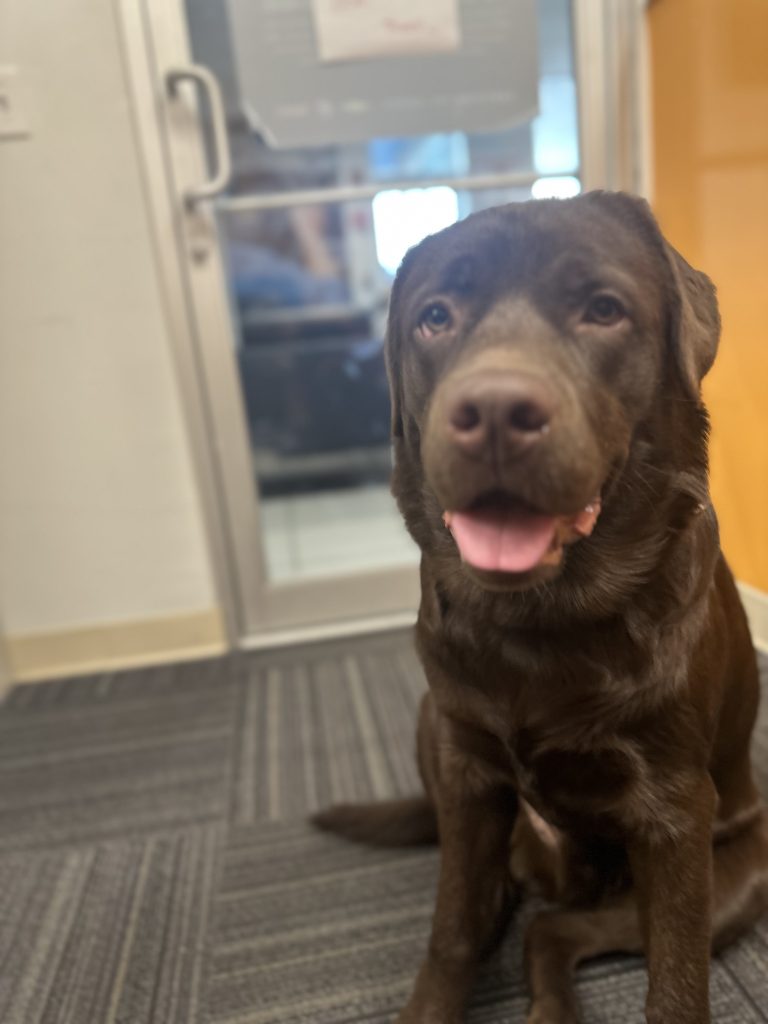
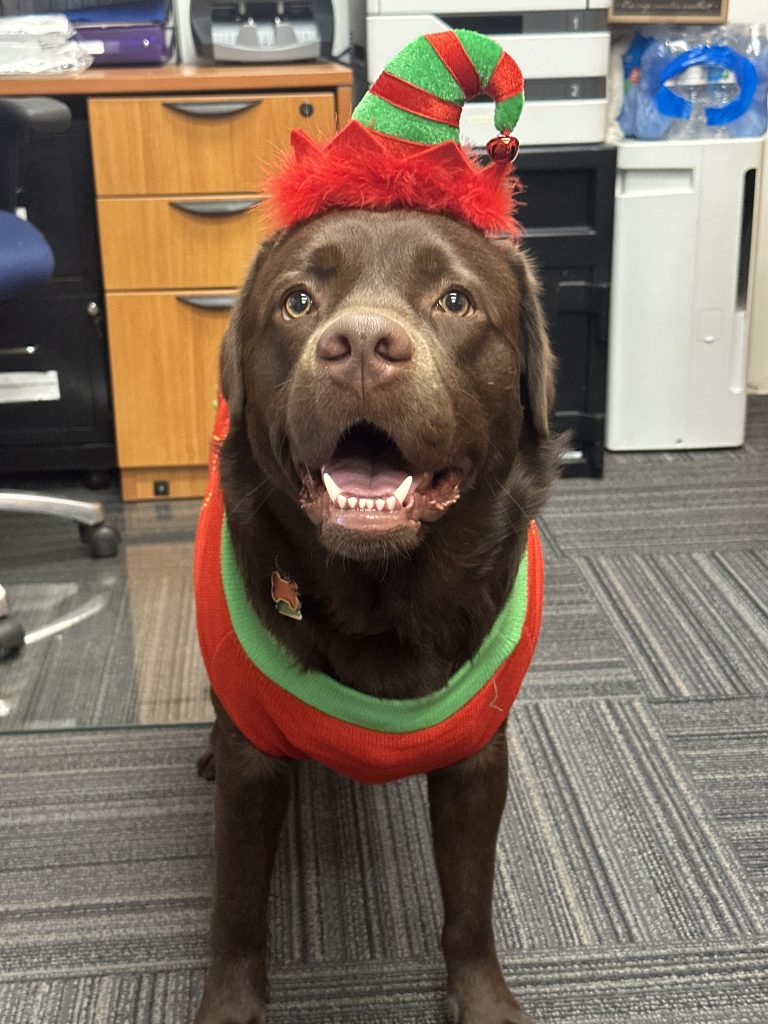
🐶Happy Birthday to Dakota: The Dealer Dog
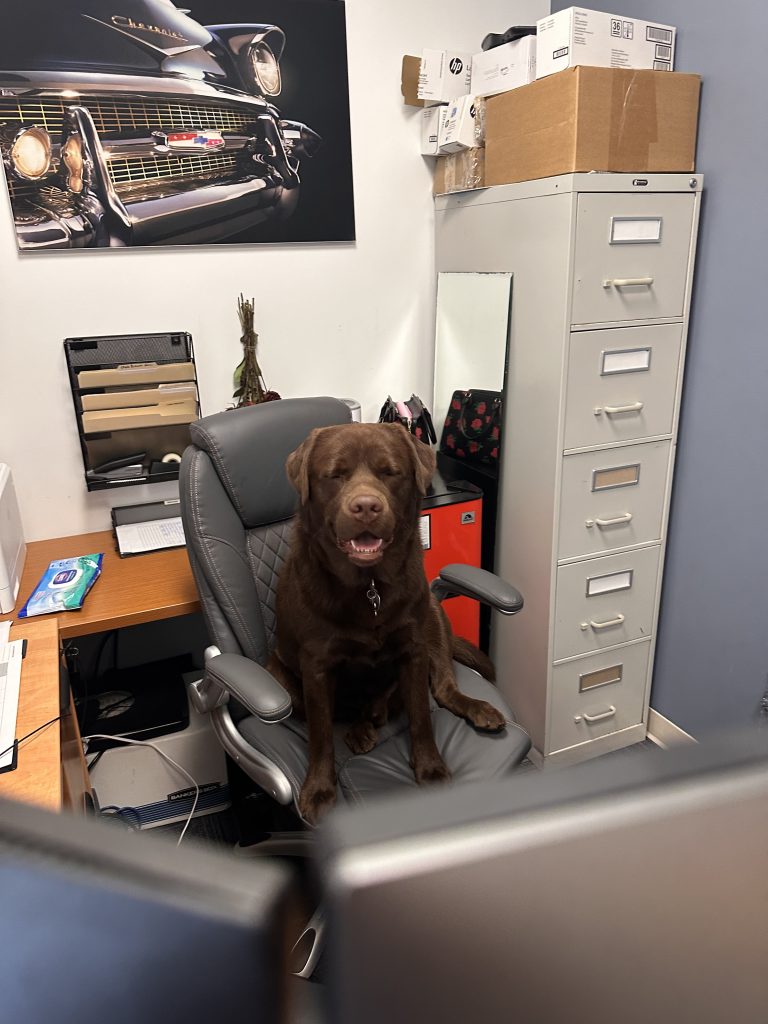
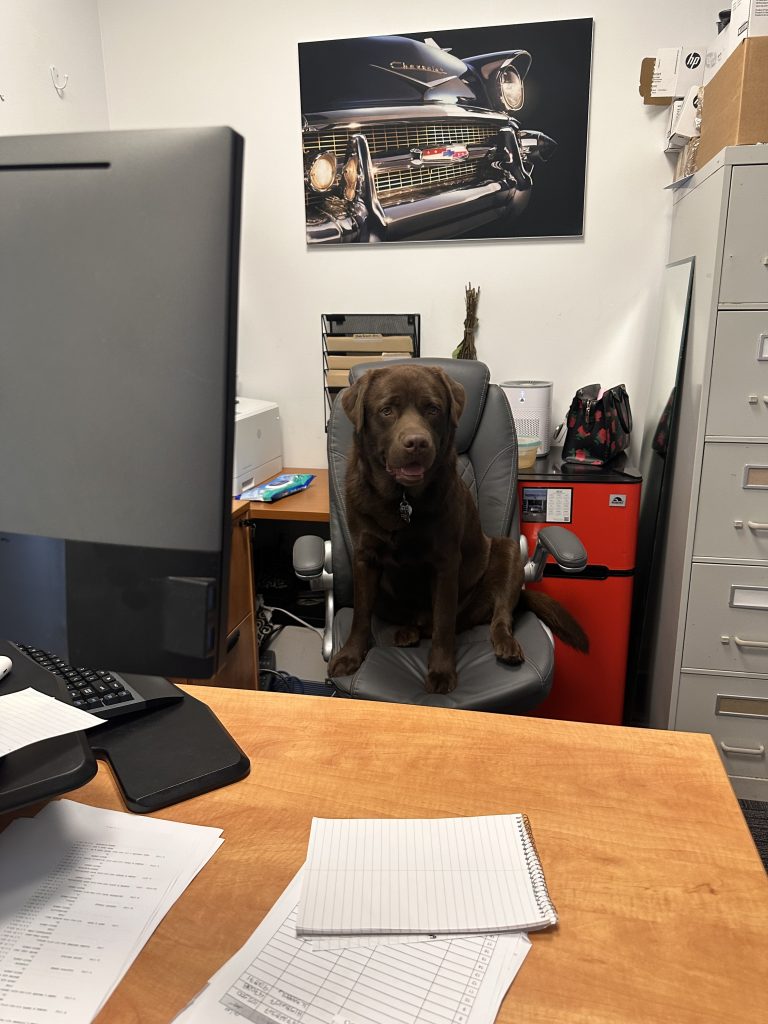
Here at Central Chevrolet in West Springfield, we love our cars, but we really love our community. And a very special, four-legged member of that community has a big day today – Carla Butterfield, our service manager’s amazing dog, Dakota, is turning the big THREE!
Throughout the last three years you may have seen Dakota around the dealership from sales, service, to his favorite napping spot in the BDC. Dakota has become a huge part of the lives of all of us here at Central Chevrolet and we’re so excited to be sharing this special day with him.


Feeling Stuck with Negative Equity? An EV From Central Chevrolet Could Be Your Way Forward!
It’s a situation many car owners in West Springfield and beyond find themselves in: owing more on their current vehicle than it’s actually worth. This is called “negative equity,” or being “upside down” on your loan, and it can feel like a roadblock when you’re ready for a new car. But what if switching to an Electric Vehicle (EV) could offer a unique pathway to a better situation? At Central Chevrolet, we believe the incredible savings potential of EVs might just be the key.
While fuel savings are a well-known EV perk, the stack of financial incentives available right now can directly tackle the challenge of negative equity.
Understanding Negative Equity
Simply put, negative equity is the difference between the amount you owe on your auto loan and your car’s current market value. For example, if you owe $15,000 on your car, but its trade-in value is only $12,000, you have $3,000 in negative equity. This amount typically gets rolled into your next car loan if you trade in your vehicle.
How EV Incentives Can Help Absorb the Hit
This is where choosing an EV from Central Chevrolet can make a significant difference. The substantial rebates, tax credits, and dealer discounts available can drastically reduce the price of your new EV, effectively minimizing how much negative equity you need to roll over.
Let’s look at the powerhouse savings available (many of which we detailed in our previous post – check it out for full details!):
- Serious Government Incentives to Shrink Your Loan:
- Potential Federal EV Tax Credit: Up to $7,500! This credit can, for qualified buyers and vehicles, be applied at the point of sale here at Central Chevrolet, directly lowering the EV’s price. (Valid to 12/31/2025. Conditions apply.)
- Potential Massachusetts EV Rebates (MOR-EV Program): Up to $3,500 as a base rebate, with an additional $1,500 potentially available for income-qualifying residents! Plus, the MOR-EV program offers up to $1,000 for trading in an eligible internal combustion engine (ICE) vehicle. (MA residents, MSRP cap $55,000, other conditions apply. Valid to 1/2/2026 for base rebate. Visit mor-ev.org.)
- Immediate Dealer Discounts at Central Chevrolet:
- Customer Cash: $2,500 on select new retail deliveries. (Not available with special financing/lease. Ends 06/02/2025).
- Central EV Savings: An extra $2,000 off – everyone qualifies! (Valid to 6/2/2025).
Imagine this: If you qualify for $7,500 federally, $3,500 from MA, and our $4,500 in dealer discounts, that’s a potential $15,500 reduction before even factoring in your trade! This substantial amount can make a huge dent in, or even eliminate, the negative equity being rolled over.
Maximizing Your Trade & Long-Term Financial Wins
- Boosting Your Trade-In Value: Beyond the MOR-EV ICE trade-in rebate, we also offer programs like our Central Trade-In Assistance for Trucks & SUVs (up to $1,000 for eligible 2020+ vehicles, valid to 1/2/2026). We’ll always work to give you the fairest value for your current vehicle.
- Slashing Your Day-to-Day Expenses: This is crucial. Once you’re in your new EV, you’ll benefit from:
- Significant Fuel Savings: Electricity is typically much cheaper than gasoline, leading to substantial monthly savings.
- Lower Maintenance Costs: EVs have fewer moving parts than traditional cars (no oil changes!), often resulting in lower maintenance bills. These ongoing savings can free up significant cash flow each month, making your new, potentially restructured car payment more manageable and helping you “pay down” the impact of the initial negative equity over time.
Let Our Finance Experts Help You Navigate
At Central Chevrolet, we understand that every financial situation is unique. Our experienced finance team is here to sit down with you, assess your specific circumstances, and explore all possible options. We can help you understand how these EV incentives can be applied to your deal and work to structure a loan that makes sense for your budget. We believe in transparency and finding solutions.
Important Note: While EV incentives offer a powerful way to combat negative equity, it’s essential to approach this with a clear understanding of your overall financial picture. The goal is to improve your situation in the long run.
Don’t Let Negative Equity Hold You Back – Explore Your EV Options!
If you’re feeling trapped by negative equity, don’t automatically assume a new vehicle is out of reach. The unique combination of massive upfront savings, dealer discounts, and long-term operational cost reductions associated with EVs offers a compelling opportunity.
The team at Central Chevrolet in West Springfield, MA, is ready to provide a no-obligation consultation. Let us show you how you might be able to roll that negative equity into a new, efficient, and exciting Chevrolet EV like the Bolt, Equinox EV, or Blazer EV, and drive towards a brighter financial future.
Visit us today or contact our finance department to discuss your options!
Disclaimer: This blog post is for informational purposes only and does not constitute financial advice. All offers are subject to change and have specific terms, conditions, and expiration dates as noted. Eligibility for tax credits and rebates depends on individual circumstances, vehicle eligibility, and program requirements. Your ability to offset negative equity will depend on your specific situation, the value of your trade-in, the EV purchased, and qualification for incentives. Please consult with your financial advisor. Dealer sets final price. See Central Chevrolet for full details on all offers and vehicle availability.
As the days grow longer and the weather warms, we at Central Chevrolet in West Springfield want to take a moment amidst the anticipation of summer to remember the true meaning of Memorial Day. More than just the unofficial start of the season, this Monday, May 26th, is a solemn day to honor the brave men and women who made the ultimate sacrifice while serving our country.
Their courage and dedication have secured the freedoms we cherish, and we believe it’s important to pause and reflect on their selfless service.
This Memorial Day, as you gather with family and friends, perhaps embarking on a road trip in your trusty Chevrolet, please take a moment to remember those who are no longer with us. Whether you attend a local parade, visit a memorial, or simply observe a moment of silence, your remembrance honors their legacy.
At Central Chevrolet, we are deeply grateful for the sacrifices made by our military personnel and their families. We proudly support our veterans and active-duty service members and recognize their immense contributions to our nation.
If you’re planning any Memorial Day travels, we want to ensure your vehicle is safe and reliable for the journey. Our service department is here for all your maintenance needs, from oil changes to tire checks. Stop by before your trip, and let our expert technicians give you peace of mind on the road.
This Memorial Day, let’s remember, reflect, and appreciate the freedoms we enjoy, thanks to the unwavering commitment of our fallen heroes.
From all of us at Central Chevrolet, we wish you a meaningful and safe Memorial Day weekend.
Power Up Your Savings: More Than Just Fuel Efficiency with an EV from Central Chevrolet!

Everyone knows that switching to an electric vehicle (EV) means saying goodbye to volatile gas prices and hello to significant fuel savings. But here at Central Chevrolet in West Springfield, MA, the financial benefits of driving electric extend far beyond the pump! We’re here to show you how a combination of exciting dealer incentives, government tax credits, and special programs can make your new EV more affordable than you ever imagined.
Forget just cruising past gas stations – get ready to cruise into incredible value!
Instant Deals Straight from Your Local Experts: Central Chevrolet Savings!
We believe in making the switch to electric accessible for everyone. That’s why we offer upfront savings directly from us:
- Customer Cash: -$2,500! This fantastic offer is available on select new retail deliveries. (Not available with special financing, lease, and some other offers. Must take new retail delivery by 06/02/2025).
- Central EV Savings: -$2,000! That’s right, an additional $2,000 off because you choose Central Chevrolet. Everyone qualifies for this dealer discount! (Valid to 6/2/2025. Come in and save today!)
That’s up to $4,500 in immediate savings just for choosing Central Chevrolet!
Government Incentives: Your Tax Dollars Working for You!
The savings get even bigger when you factor in powerful government programs designed to encourage EV adoption:
- Potential Federal EV Tax Credit: Up to $7,500! This is a big one! If your chosen EV qualifies (and many of ours do, provided they haven’t been used as a courtesy vehicle), you could be eligible for a federal tax credit of up to $7,500 under Section 30D of the Inflation Reduction Act (IRA). What’s even better? IRS-qualified dealers like Central Chevrolet may be able to apply this credit directly at the point of sale, effectively lowering your purchase price on the spot! (Valid to 12/31/2025. Your personal eligibility depends on individual circumstances, including adjusted gross income. We advise consulting your tax advisor and can help you confirm vehicle qualification. Ensure you obtain IRS confirmation of the “time-of-sale” report submission.) For more details, visit fueleconomy.gov.
- Potential Massachusetts EV Rebates (MOR-EV Program): Up to $5,000 + Trade-In Bonus! Our home state of Massachusetts is serious about clean energy!
- MOR-EV Standard Rebate: $3,500! Massachusetts residents can receive a $3,500 rebate on eligible new EVs (Total MSRP including destination and packages of $55,000 or less).
- MOR-EV+ Income Qualifying Adder: An extra $1,500! Some residents may qualify for an additional $1,500 based on income.
- MOR-EV ICE Vehicle Trade-In: Up to $1,000! Trading in an internal combustion engine (ICE) vehicle? The MOR-EV program may offer an additional rebate of up to $1,000. (These offers are for Massachusetts customers only and have specific eligibility guidelines, including residency, lease terms, and income restrictions for certain components. Visit apply.mor-ev.org and mor-ev.org/eligibility for full details. Rebates are subject to change and filing requirements. See us at Central Chevrolet for assistance! Valid to 1/2/2026 for the base rebate.)
Imagine combining these: up to $7,500 federally and potentially $5,000 or more from Massachusetts!
More Ways to Save at Central Chevrolet:
We’re always looking for ways to add value for our customers:
- Central Trade-In Assistance for Trucks & SUVs: -$1,000! Looking to trade in your newer truck or SUV? We want it! Get an extra $1,000 in trade-in assistance. (Must trade a 2020 or newer retailable vehicle. Lease vehicles excluded. Amount added to total trade-in allowance. Valid to 1/2/2026).
- Additional “Limited Time” Military Cash: -$750! As a thank you for your service, GM is offering additional Military Appreciation Cash for a limited time! (Military veterans qualify. Please visit gmmilitaryappreciation.com to receive your voucher. Ends promptly 6/2/2025. Hurry in!)
- Specialty Discounts: -$500! We appreciate our community heroes and future leaders! Military personnel, First Responders, Educators, Healthcare Professionals, and College Grads all qualify for this discount. (Valid to 1/2/2026. For more information, see our “Special Discounts” Page: https://www.centralchevyauto.com/special-deals.html).
See How Affordable an EV Can Be: Lease Example!
Wondering how all these savings can translate into a low monthly payment? While offers vary, consider this example:
- Leases as low as $210 Per Month Available! (Example valid to 6/2/2025) For Current Massachusetts Lessees who are also Executive Costco members, you could potentially lease a select EV (like Stock # 5060 with an MSRP of $43,295) for just $210+tax per month for 39 months (10,000 miles/year) with $5,000 cash or trade down, plus the transfer of Massachusetts Clean Energy Credits ($3,500) processed at the dealership. (Owners of Chevy Bolts may pay even less! Lease payment shown assumes 10,000 miles/year. Must qualify for GM Financial approved credit. Taxes, title, license fees included; tax on payment extra. Vehicle pictured may not represent actual vehicle. See dealer for all details and specific vehicle applicability.)
Your Electric Future Starts with MAXimum Savings at Central Chevrolet!
When you add it all up – dealer discounts, federal credits, state rebates, trade-in assistance, and specialty offers – the path to owning a new Chevrolet EV is clearer and more affordable than ever. These savings are in addition to the long-term benefits of lower fuel costs and reduced maintenance.
Don’t let these incredible opportunities pass you by! Many of these offers have expiration dates. Visit us at Central Chevrolet in West Springfield, MA, explore our fantastic lineup of Chevy EVs like the Bolt EV, Equinox EV, and Blazer EV, and let our knowledgeable team help you navigate all the available incentives to maximize your savings.
Ready to make the switch and save big? Contact Central Chevrolet today or visit our showroom!
Disclaimer: All offers are subject to change and have specific terms, conditions, and expiration dates as noted. Eligibility for tax credits and rebates depends on individual circumstances, vehicle eligibility, and program requirements. Please consult with your tax, accounting, or legal advisor and refer to official program websites (fueleconomy.gov, mor-ev.org) for complete details. Dealer sets final price. See Central Chevrolet for full details on all offers and vehicle availability.
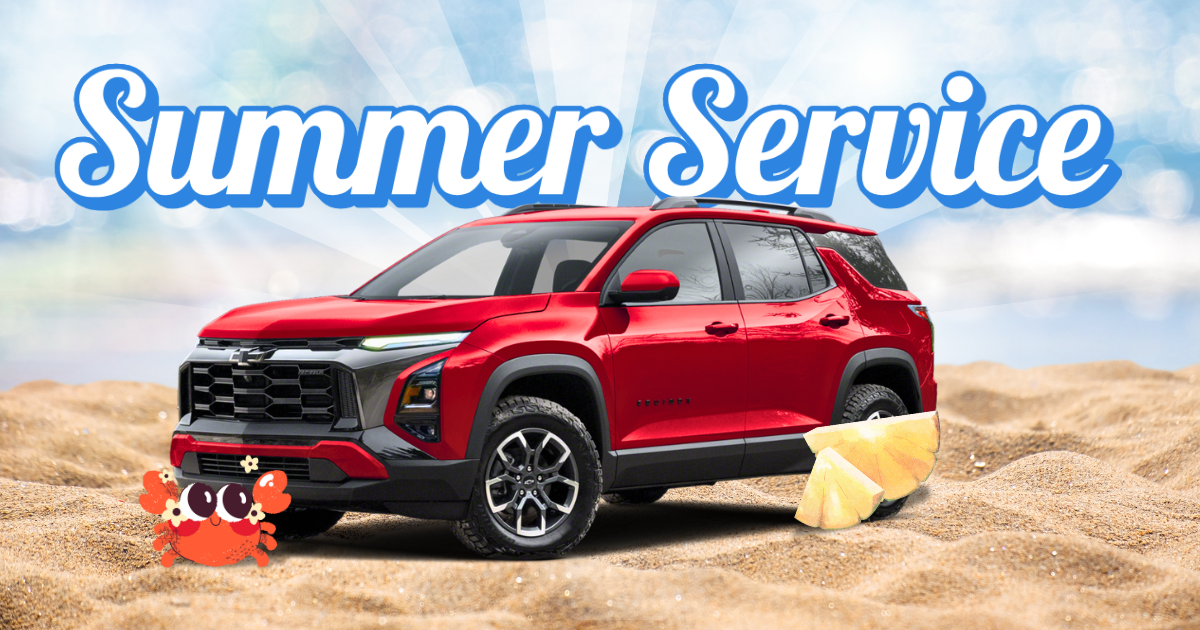
West Springfield, MA – With warmer days already here and peak summer just around the corner, it’s time to ensure your Chevrolet is ready for all the adventures that lie ahead. From daily commutes in rising temperatures to anticipated summer road trips, making sure your vehicle is in top condition is key. A visit to Central Chevrolet’s Certified Service center in West Springfield is your best bet for a reliable and enjoyable summer driving experience.
While the harshness of winter might be behind us, the shift in seasons brings its own set of demands on your vehicle. Don’t wait for a sweltering day to discover an issue! Proactive maintenance at Central Chevrolet can help you beat the heat and avoid inconvenient breakdowns.
Why a Pre-Summer Certified Service Appointment is Crucial:
Think of this as ensuring your Chevy is primed for peak performance during the hottest months. Our Certified Service experts will conduct a thorough inspection, focusing on systems critical for summer driving:
- Air Conditioning System Check: This is a summer essential! We’ll inspect your A/C system for optimal cooling, checking refrigerant levels and component functionality to ensure you stay comfortable even on the most scorching days.
- Cooling System Performance: Your engine works harder in the heat. We’ll examine your radiator, coolant levels, hoses, and belts to prevent overheating, which can lead to significant engine damage.
- Tire Inspection & Pressure: Hot pavement can increase tire pressure and wear. We’ll check your tire tread depth for safe grip on dry or wet summer roads, ensure proper inflation for optimal performance and fuel efficiency, and look for any signs of damage.
- Battery Health: High temperatures can be just as taxing on a battery as extreme cold. We can test your battery’s condition and charge to ensure it can handle the summer demand from the A/C and other electronics.
- Fluid Levels & Condition: Just like in winter, various fluids are vital. We’ll inspect and top off engine oil, brake fluid, transmission fluid (if applicable), and power steering fluid, ensuring they are at appropriate levels and in good condition for summer driving.
- Brake System Integrity: Whether you’re navigating city traffic or heading out on a scenic drive, responsive brakes are non-negotiable. We’ll inspect pads, rotors, and fluid to ensure maximum safety.
- Wiper Blades & Washer Fluid: Summer storms can appear unexpectedly. We’ll check your wiper blades for wear and ensure your washer fluid reservoir is full for clear visibility.
The Central Chevrolet Certified Service Advantage – Your Summer Peace of Mind:
Choosing Central Chevrolet in West Springfield for your pre-summer check-up comes with significant benefits:
- Factory-Trained Technicians: Our mechanics are Chevrolet specialists. They possess the specific knowledge and skills to service your vehicle correctly.
- Genuine GM Parts: We exclusively use Original Equipment Manufacturer (OEM) parts, ensuring perfect compatibility, optimal performance, and the preservation of your vehicle’s warranty.
- Advanced Diagnostic Tools: We employ the latest diagnostic technology to accurately identify and resolve any potential issues efficiently.
- Transparent & Reliable Service: We believe in clear communication. We’ll discuss any recommended services with you and provide upfront explanations before any work begins.
- Customer-Focused Convenience: We aim to make your service experience hassle-free with a comfortable waiting area, shuttle service, and available loaner vehicles (subject to availability).
Don’t Sweat It – Schedule Your Summer Prep Service Today!
Ensure your Chevrolet is ready to handle everything summer throws its way. Proactive maintenance at Central Chevrolet Certified Service is your ticket to a worry-free driving season.
Visit us at 675 Memorial Ave, West Springfield, MA 01089, or give our friendly service advisors a call at (413) 507-0516 to book your summer readiness appointment. Let Central Chevrolet help you make the most of your summer with a reliable and cool ride!
Navigating the Maze of Modern Auto Body Repairs: Why Your Chevy Deserves Specialized Collision Care

Getting into a car accident is stressful enough. But when your technologically advanced Chevrolet needs repairs, the complexity can feel overwhelming. Modern vehicles, packed with Advanced Driver-Assistance Systems (ADAS) and constructed from a sophisticated mix of materials, require a level of expertise and equipment that not every auto body shop possesses. For Chevy owners in West Springfield, MA, and surrounding areas like Chicopee, Springfield, and Agawam, understanding why specialized collision care is crucial is the first step to ensuring your vehicle is restored to its pre-accident condition, both in appearance and, more importantly, in safety and functionality.
At Central Chevrolet’s Collision Center, we recognize that repairing today’s Chevrolets goes far beyond simply fixing dents and repainting panels. It’s about understanding the intricate network of sensors, cameras, and structural components that make your vehicle safe and perform as designed.
The Rise of ADAS: More Than Just Bells and Whistles
Features like adaptive cruise control, lane-keep assist, blind-spot monitoring, and automatic emergency braking are no longer exclusive to luxury brands. All new Chevrolet models, from the family-friendly Traverse to the rugged Silverado and the efficient Equinox, come equipped with a suite of ADAS technologies. These systems rely on a precise network of sensors and cameras, often mounted in areas prone to damage during a collision, such as bumpers, windshields, and side mirrors.
Following an accident, even seemingly minor ones, these ADAS components may require:
- Precise Recalibration: After a repair, ADAS sensors and cameras must be recalibrated to the manufacturer’s exact specifications. Even a slight misalignment can cause these safety systems to malfunction, potentially leading to another accident. This process requires specialized diagnostic tools and trained technicians who understand Chevrolet’s specific calibration procedures.
- Sensor Replacement and Integration: Damaged sensors often need to be replaced with genuine Chevrolet parts to ensure they integrate seamlessly with the vehicle’s existing systems.
- Understanding of System Interdependencies: Collision repair technicians must understand how different ADAS features interact. A repair in one area could unknowingly affect a system in another if not handled correctly.
Attempting to repair an ADAS-equipped vehicle without the proper knowledge and tools can compromise its safety features, putting you and your passengers at risk.
The Importance of OEM Parts and Certified Repair Procedures
When it comes to collision repair, the parts used make a significant difference. Central Chevrolet’s Collision Center emphasizes the use of Original Equipment Manufacturer (OEM) parts. These are the same parts your Chevrolet was built with at the factory. Why does this matter?
- Perfect Fit and Function: OEM parts are designed to fit your specific Chevy model precisely, ensuring seamless integration and optimal performance. Aftermarket or salvaged parts may not offer the same level of fit, finish, or structural integrity.
- Maintaining Safety Standards: Chevrolet invests heavily in the safety design of its vehicles. OEM parts are engineered to meet these stringent safety standards. Using non-OEM parts could compromise the vehicle’s crashworthiness and the performance of its safety systems.
- Preserving Vehicle Value: Using genuine parts helps maintain your vehicle’s resale value. Repairs made with high-quality, manufacturer-approved components are often viewed more favorably by potential buyers.
- Warranty Protection: In some cases, using non-OEM parts could potentially void aspects of your vehicle’s warranty.
Our technicians are not only experienced but are also trained on Chevrolet-specific repair procedures. This ensures that every repair, from minor cosmetic work to significant structural damage, is performed according to the manufacturer’s guidelines, preserving the integrity and safety of your vehicle.
More Than Just a “Body Shop”: Why Choose Central Chevrolet’s Collision Center?
In an era of increasingly complex vehicles, choosing the right collision center is more critical than ever. Here’s what sets Central Chevrolet’s Collision Center apart:
- Chevrolet Expertise: We specialize in Chevrolet vehicles. Our technicians have in-depth knowledge of Chevy engineering, systems, and repair protocols.
- State-of-the-Art Equipment: We invest in the latest diagnostic and repair technology specifically designed for modern vehicles, including those with ADAS.
- Certified Technicians: Our team undergoes continuous training to stay updated on the newest vehicle technologies and repair techniques.
- Commitment to OEM Parts: We prioritize the use of genuine Chevrolet parts to ensure the highest quality repairs.
- Navigating Insurance Claims: We work with all major insurance companies to streamline the claims process and make your experience as hassle-free as possible.
- Focus on Safety: Our primary goal is to return your vehicle to you in a condition that meets or exceeds original factory safety standards.
Your West Springfield Chevy Collision Repair Experts
An accident can be a jarring experience, but the repair process doesn’t have to add to your stress. If your Chevrolet has been in a collision, don’t trust its repair to just anyone. Choose the experts who understand the intricacies of your vehicle.
At Central Chevrolet in West Springfield, MA, our Collision Center is equipped and ready to handle the advanced repair needs of your modern Chevy. We are committed to providing safe, high-quality repairs that restore your vehicle’s performance, appearance, and, most importantly, its safety features. Contact us today for an estimate and experience the peace of mind that comes with specialized, expert care.
📍 Your Trusted Local Chevy Experts are Here to Help! 🛠️
When you need reliable collision repair or any other service for your Chevrolet, look no further than Central Chevrolet in West Springfield. We’re conveniently located and ready to assist you!
🌐 Visit Our Website: https://www.centralchevyauto.com/ Explore our services, meet the team, and even schedule your appointment online!
📞 Give Us a Call: (413) 781-3400 Have questions or need to speak with our Collision Center directly? Our friendly team is ready to take your call.
🗺️ Find Us At: Central Chevrolet 675 Memorial Ave West Springfield, MA 01089
Whether you’re coming from right here in West Springfield, or from neighboring towns like Chicopee, Springfield, Holyoke, or Agawam, we’re easy to reach and dedicated to getting you back on the road safely. Stop by or get in touch today! ✨
Connect with us


- June 2026
- May 2026
- April 2026
- March 2026
- February 2026
- January 2026
- December 2025
- November 2025
- October 2025
- September 2025
- August 2025
- July 2025
- June 2025
- May 2025
- April 2025
- March 2025
- February 2025
- January 2025
- December 2024
- November 2024
- October 2024
- September 2024
- August 2024
- July 2024
- June 2024
- May 2024
- April 2024
- March 2024
Archives
- 811 Detailing
- About Us
- Big C Near the Big E
- Blog
- Bodyshop
- Buying
- Charitable Participation
- community
- Company Culture
- Corvette Club of Western Mass
- Corvette Club of Western Mass
- customer service
- Dealership
- Departments
- Directions
- Electric Vehicles
- EV
- Features
- Finance
- Financing
- How-to
- Industry Trends
- Leasing
- Local
- Makes and Models
- News
- News and Events
- Opinion
- Parts
- Review
- Safety Tips
- Sales
- Sedan
- Service
- Service and Maintenance
- SUV
- Testimonials
- Tips
- Truck
- Uncategorized
- Vehicle Comparison
- Vehicle Review
- Vehicles