





General Motors (GM) has consistently demonstrated its leadership in electric vehicle (EV) innovation, and its Ultium battery technology platform is a prime example of this forward-thinking approach. Designed to deliver unmatched flexibility, scalability, and efficiency, Ultium batteries are setting a new standard in the EV industry. Let’s explore the numerous advantages of this groundbreaking technology.
1. Advanced Cell Chemistry for Efficiency and Cost Reduction
Nickel-Cobalt-Manganese-Aluminum (NCMA) Chemistry: Ultium batteries feature an NCMA chemistry that reduces cobalt content by 70% compared to previous designs. This innovation not only cuts costs but also mitigates ethical and supply chain concerns associated with cobalt mining.
Environmental and Economic Benefits: By reducing reliance on expensive and environmentally contentious materials, GM has made significant strides toward producing sustainable and cost-efficient batteries.
2. Flexible and Modular Design for Diverse Applications
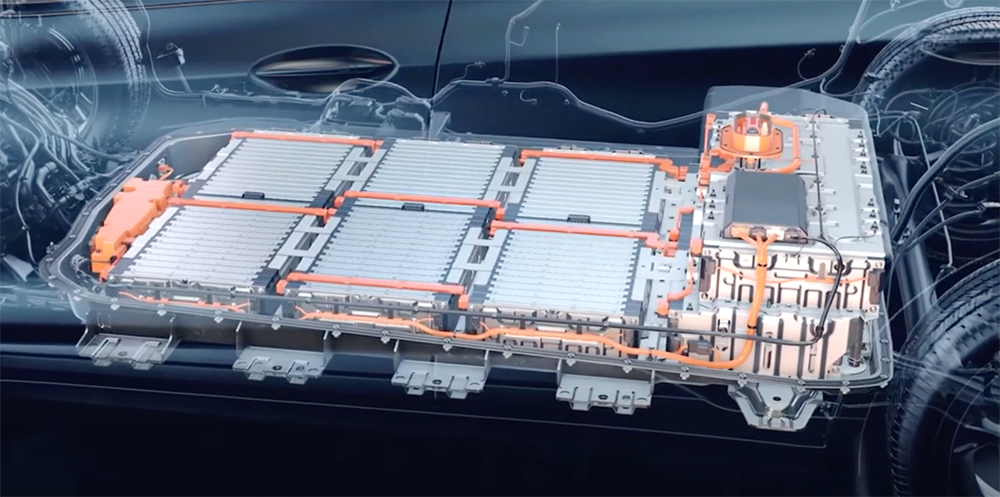
Horizontal and Vertical Stacking: The large-format pouch cells can be stacked horizontally or vertically, enabling them to fit a wide range of vehicle designs—from compact cars to large trucks.
Scalability: Ultium battery packs can range from 50 kWh to 200 kWh, making them adaptable for different vehicle types and driving ranges.


3. Impressive Energy Density and Capacity
High Energy Density: With each pouch cell measuring approximately 23.0 x 4.0 x 0.4 inches and weighing about 3 pounds, the batteries achieve a capacity of 0.37 kWh per cell. This compact yet powerful design optimizes space and performance.
Long Driving Range: Ultium battery packs can support GM-estimated driving ranges of up to 400 miles on a full charge, depending on the vehicle configuration. This range is among the best in the industry, addressing consumer concerns about EV practicality.
4. Industry-Leading Cost Efficiency
Affordable Production: GM’s advancements in cell chemistry, combined with economies of scale and manufacturing efficiencies, aim to reduce battery costs to around $100 per kWh. Achieving this threshold brings EVs closer to cost parity with internal combustion engine vehicles.
Mass Adoption Potential: Lower production costs mean more affordable EVs, making them accessible to a broader audience and accelerating the transition to electric mobility.
5. Wireless Battery Management System (wBMS)
Innovation in Simplicity: Ultium batteries feature a wireless battery management system, a first in the automotive industry. Developed in collaboration with Analog Devices, this system eliminates up to 90% of the wiring within the battery pack.
Enhanced Reliability: Fewer wires mean reduced complexity, improved reliability, and easier assembly, contributing to streamlined production and maintenance.
6. Robust Manufacturing and Strategic Partnerships
Ultium Cells LLC: GM’s partnership with LG Energy Solution through Ultium Cells LLC has led to the establishment of high-capacity battery plants in Ohio, Tennessee, and Michigan. These facilities ensure a steady supply of advanced batteries to meet growing EV demand.
Expanding Capabilities: A joint venture with Samsung SDI, announced in 2023, marks GM’s commitment to diversifying its battery cell formats and boosting domestic production of prismatic and cylindrical cells.
7. Sustainability and Environmental Responsibility
Reduced Environmental Footprint: By using less cobalt and developing manufacturing processes that emphasize efficiency, Ultium technology supports GM’s broader sustainability goals.
Commitment to a Zero-Emissions Future: The Ultium platform aligns with GM’s vision of an all-electric future, contributing to reduced greenhouse gas emissions and a cleaner environment.
8. Adaptability to Future Innovations
Forward Compatibility: GM’s decision to retire the Ultium branding in 2024 underscores its commitment to evolving its battery strategy. By integrating new chemistries and formats, the company is ensuring its technology remains competitive in the rapidly changing EV market.
Partnerships for Advancement: Collaborations with companies like Forge Nano highlight GM’s focus on pursuing next-generation batteries with lower costs and higher performance.
9. Consumer-Centric Benefits
Enhanced Range Confidence: With a maximum range of 400 miles, Ultium technology addresses one of the primary concerns of EV buyers—range anxiety.
Versatility Across Models: From compact SUVs to full-size trucks like the GMC Hummer EV, Ultium batteries cater to a wide array of consumer preferences and needs.
10. Supporting the Broader EV Ecosystem
U.S.-Based Manufacturing: By building multiple battery plants in the United States, GM is contributing to local economies, creating jobs, and strengthening the domestic EV supply chain.
Accelerating the EV Transition: With scalable and affordable battery technology, GM is helping to make EVs mainstream, supporting global efforts to combat climate change.
Conclusion: Driving the Future with Ultium
GM’s Ultium battery platform represents a monumental leap forward in electric vehicle technology. By prioritizing flexibility, efficiency, and cost-effectiveness, GM is not only enhancing the appeal of EVs but also paving the way for a more sustainable future. As the company continues to innovate and adapt, the Ultium platform will undoubtedly remain a cornerstone of its efforts to lead the EV revolution.
FAQs
1. What makes Ultium batteries unique? Ultium batteries feature NCMA chemistry, a modular design, and industry-first wireless battery management, making them efficient, scalable, and cost-effective.
2. How far can a vehicle with Ultium batteries travel on a single charge? Depending on the configuration, Ultium battery packs can support ranges of up to 400 miles on a full charge.
3. Are Ultium batteries environmentally friendly? Yes, Ultium batteries use 70% less cobalt, a step towards sustainable and ethical battery production.
4. Where are Ultium batteries manufactured? GM manufactures Ultium batteries at facilities in Ohio, Tennessee, and Michigan, with plans for additional plants in partnership with Samsung SDI.
5. How does the wireless battery management system benefit Ultium batteries? The wireless system reduces wiring by up to 90%, enhancing reliability, simplifying assembly, and reducing production costs.
Connect with us


- March 2026
- February 2026
- January 2026
- December 2025
- November 2025
- October 2025
- September 2025
- August 2025
- July 2025
- June 2025
- May 2025
- April 2025
- March 2025
- February 2025
- January 2025
- December 2024
- November 2024
- October 2024
- September 2024
- August 2024
- July 2024
- June 2024
- May 2024
- April 2024
- March 2024
Archives
- 811 Detailing
- About Us
- Big C Near the Big E
- Blog
- Bodyshop
- Buying
- Charitable Participation
- community
- Company Culture
- Corvette Club of Western Mass
- customer service
- Dealership
- Departments
- Directions
- Electric Vehicles
- EV
- Features
- Finance
- Financing
- How-to
- Industry Trends
- Leasing
- Local
- Makes and Models
- News
- News and Events
- Opinion
- Parts
- Review
- Safety Tips
- Sales
- Sedan
- Service
- Service and Maintenance
- SUV
- Testimonials
- Tips
- Truck
- Uncategorized
- Vehicle Comparison
- Vehicle Review
- Vehicles