





Blog / Electric Vehicles

GM's Ultium Battery Technology: A New Generation of Power

ultium cells

General Motors (GM) has consistently demonstrated its leadership in electric vehicle (EV) innovation, and its Ultium battery technology platform is a prime example of this forward-thinking approach. Designed to deliver unmatched flexibility, scalability, and efficiency, Ultium batteries are setting a new standard in the EV industry. Let’s explore the numerous advantages of this groundbreaking technology.


1. Advanced Cell Chemistry for Efficiency and Cost Reduction

Nickel-Cobalt-Manganese-Aluminum (NCMA) Chemistry: Ultium batteries feature an NCMA chemistry that reduces cobalt content by 70% compared to previous designs. This innovation not only cuts costs but also mitigates ethical and supply chain concerns associated with cobalt mining.

Environmental and Economic Benefits: By reducing reliance on expensive and environmentally contentious materials, GM has made significant strides toward producing sustainable and cost-efficient batteries.


2. Flexible and Modular Design for Diverse Applications

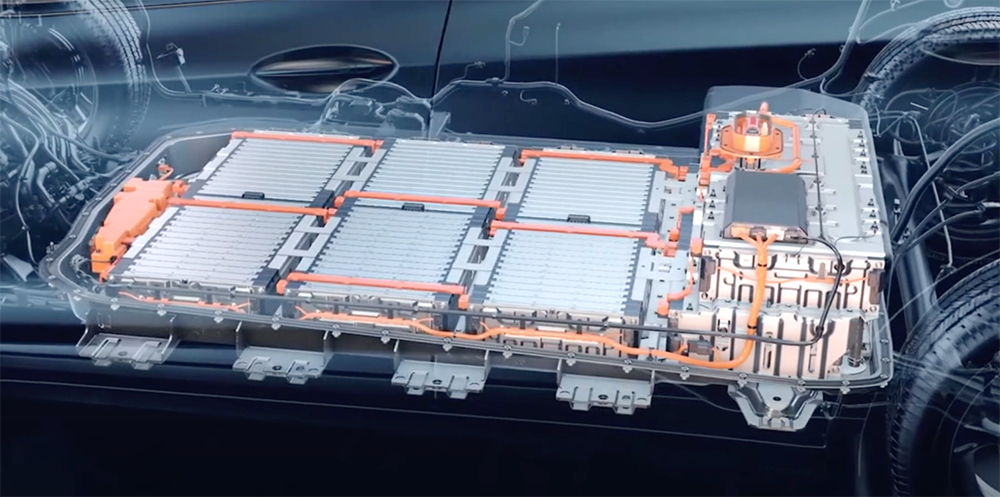
Horizontal and Vertical Stacking: The large-format pouch cells can be stacked horizontally or vertically, enabling them to fit a wide range of vehicle designs—from compact cars to large trucks.

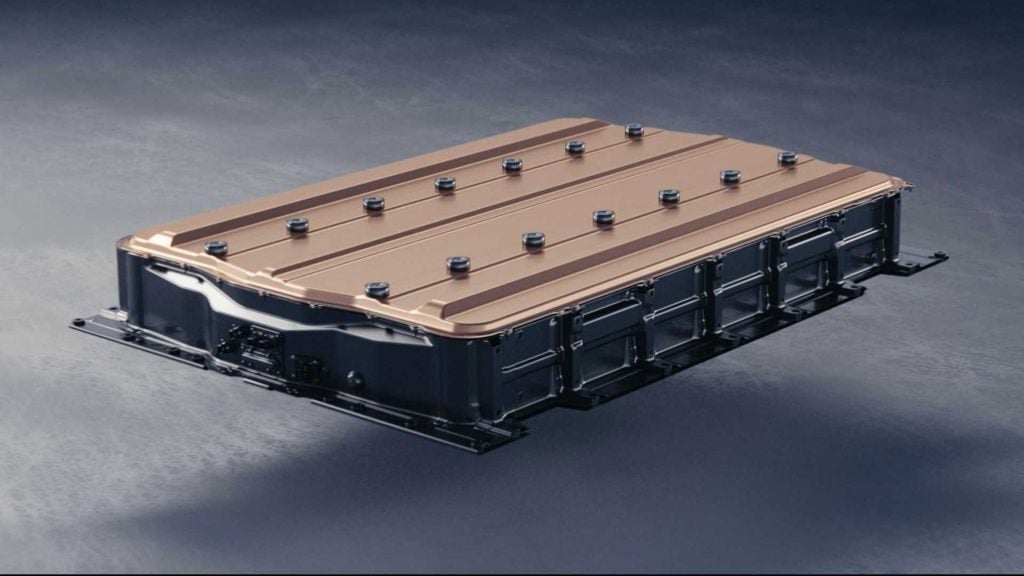
Scalability: Ultium battery packs can range from 50 kWh to 200 kWh, making them adaptable for different vehicle types and driving ranges.

3. Impressive Energy Density and Capacity

High Energy Density: With each pouch cell measuring approximately 23.0 x 4.0 x 0.4 inches and weighing about 3 pounds, the batteries achieve a capacity of 0.37 kWh per cell. This compact yet powerful design optimizes space and performance.

Long Driving Range: Ultium battery packs can support GM-estimated driving ranges of up to 400 miles on a full charge, depending on the vehicle configuration. This range is among the best in the industry, addressing consumer concerns about EV practicality.


4. Industry-Leading Cost Efficiency

Affordable Production: GM’s advancements in cell chemistry, combined with economies of scale and manufacturing efficiencies, aim to reduce battery costs to around $100 per kWh. Achieving this threshold brings EVs closer to cost parity with internal combustion engine vehicles.

Mass Adoption Potential: Lower production costs mean more affordable EVs, making them accessible to a broader audience and accelerating the transition to electric mobility.


5. Wireless Battery Management System (wBMS)

Innovation in Simplicity: Ultium batteries feature a wireless battery management system, a first in the automotive industry. Developed in collaboration with Analog Devices, this system eliminates up to 90% of the wiring within the battery pack.

Enhanced Reliability: Fewer wires mean reduced complexity, improved reliability, and easier assembly, contributing to streamlined production and maintenance.


6. Robust Manufacturing and Strategic Partnerships

Ultium Cells LLC: GM’s partnership with LG Energy Solution through Ultium Cells LLC has led to the establishment of high-capacity battery plants in Ohio, Tennessee, and Michigan. These facilities ensure a steady supply of advanced batteries to meet growing EV demand.

Expanding Capabilities: A joint venture with Samsung SDI, announced in 2023, marks GM’s commitment to diversifying its battery cell formats and boosting domestic production of prismatic and cylindrical cells.


7. Sustainability and Environmental Responsibility

Reduced Environmental Footprint: By using less cobalt and developing manufacturing processes that emphasize efficiency, Ultium technology supports GM’s broader sustainability goals.

Commitment to a Zero-Emissions Future: The Ultium platform aligns with GM’s vision of an all-electric future, contributing to reduced greenhouse gas emissions and a cleaner environment.


8. Adaptability to Future Innovations

Forward Compatibility: GM’s decision to retire the Ultium branding in 2024 underscores its commitment to evolving its battery strategy. By integrating new chemistries and formats, the company is ensuring its technology remains competitive in the rapidly changing EV market.

Partnerships for Advancement: Collaborations with companies like Forge Nano highlight GM’s focus on pursuing next-generation batteries with lower costs and higher performance.


9. Consumer-Centric Benefits

Enhanced Range Confidence: With a maximum range of 400 miles, Ultium technology addresses one of the primary concerns of EV buyers—range anxiety.

Versatility Across Models: From compact SUVs to full-size trucks like the GMC Hummer EV, Ultium batteries cater to a wide array of consumer preferences and needs.


10. Supporting the Broader EV Ecosystem

U.S.-Based Manufacturing: By building multiple battery plants in the United States, GM is contributing to local economies, creating jobs, and strengthening the domestic EV supply chain.

Accelerating the EV Transition: With scalable and affordable battery technology, GM is helping to make EVs mainstream, supporting global efforts to combat climate change.


Conclusion: Driving the Future with Ultium

GM’s Ultium battery platform represents a monumental leap forward in electric vehicle technology. By prioritizing flexibility, efficiency, and cost-effectiveness, GM is not only enhancing the appeal of EVs but also paving the way for a more sustainable future. As the company continues to innovate and adapt, the Ultium platform will undoubtedly remain a cornerstone of its efforts to lead the EV revolution.


FAQs

1. What makes Ultium batteries unique? Ultium batteries feature NCMA chemistry, a modular design, and industry-first wireless battery management, making them efficient, scalable, and cost-effective.

2. How far can a vehicle with Ultium batteries travel on a single charge? Depending on the configuration, Ultium battery packs can support ranges of up to 400 miles on a full charge.

3. Are Ultium batteries environmentally friendly? Yes, Ultium batteries use 70% less cobalt, a step towards sustainable and ethical battery production.

4. Where are Ultium batteries manufactured? GM manufactures Ultium batteries at facilities in Ohio, Tennessee, and Michigan, with plans for additional plants in partnership with Samsung SDI.

5. How does the wireless battery management system benefit Ultium batteries? The wireless system reduces wiring by up to 90%, enhancing reliability, simplifying assembly, and reducing production costs.
Posted in:

Related Posts

The American Edge: Why Chevrolet EVs Outperform Global Newcomers on New England Roads

BYD Vehicle As the electric vehicle market evolves, there is a lot of buzz surrounding global manufacturers like BYD. While these international brands have gained traction in overseas markets, there is a fundamental difference between a car built for a global commute and one engineered specifically for the American driver. At Central Chevrolet, we believe in transparency. While brands like BYD are expanding globally, they are not currently available in the United States. Even as they look toward the North American market, they face a steep uphill battle against a brand that has spent over a century mastering the American road: Chevrolet. Here is why the Chevy EV lineup—including the Equinox EV, Blazer EV, and Silverado EV —remains the gold standard for drivers in West Springfield and beyond. 1. Engineered for the American Environment American roads are unique. From the wide-open highways of the Midwest to the stop-and-go congestion of I-91, our driving habits demand durability. Tougher Winters: In Western Massachusetts, we don't just deal with rain; we deal with sub-zero temperatures, road salt, and heavy slush. Chevrolet EVs are engineered with advanced thermal management systems specifically tested to maintain battery efficiency and cabin comfort in harsh Northeast winters. Global-first models often prioritize temperate climates, which can lead to significant range loss when the Pioneer Valley freezes over. Infrastructure Ready: Chevy EVs are designed to integrate seamlessly with the existing and growing North American charging infrastructure. You don't have to worry about "will it fit" or "is it compatible"—it’s built for the plugs we have here. 2. The Power of an American Heritage Brand When you buy a Chevrolet, you aren't just buying a car; you’re buying a support system. Local Expertise: If you have a question about your Equinox EV’s software or need a routine check on your Silverado EV’s Ultium battery, you don't have to look far. Central Chevrolet is a cornerstone of the West Springfield community with GM EV Certified technicians who can work directly on your GM EV, no middleman needed. Parts and Service: Choosing a brand that isn't established in the US carries a massive risk regarding parts availability. Chevrolet has a localized supply chain, ensuring that maintenance is quick and your vehicle stays on the road where it belongs. 3. Purpose-Built for Every Lifestyle Chevrolet didn’t just make "an electric car"—they electrified the vehicles Americans already love. Silverado EV: Designed for the person who needs to tow, haul, and work. It features the strength of a Chevy truck with the efficiency of electric power. Equinox & Blazer EV: These SUVs offer the ground clearance and cargo space that New England families require for weekend trips to the Berkshires or daily commutes to Springfield. 4. Direct Investment in the U.S. Economy Choosing a Chevy means supporting American innovation. General Motors is a domestic powerhouse, and the development of the Ultium Platform represents billions of dollars invested in American factories and American workers. By choosing a Bolt, Blazer, or Equinox EV, you are investing back into the economy that keeps our local communities thriving. Experience American Innovation at Central Chevrolet Don't wait for a "global" brand to figure out the American road. Drive a vehicle that was built with you in mind from day one. Visit Central Chevrolet today in West Springfield. Whether you want to explore the incredible range of the 2026 Blazer EV or see the raw power of the Silverado EV, our local experts are here to walk you through the benefits of going electric with a brand you can trust. View EV Inventory

Powering Your Drive: The Ultimate Guide to Home EV Charging

So, you’ve made the switch to an electric vehicle—or you’re seriously considering it. Congratulations! You’re about to trade those weekly gas station trips for the convenience of "refueling" in your own driveway. But as you look at charging options, you’ll hear a lot of jargon: Level 1, Level 2, NEMA 14-50, Hardwired. It can feel like a lot to take in. Think of your EV like your smartphone; just as you plug your phone in at night to wake up to 100%, your EV is designed for the same effortless routine. Here is everything you need to know about the different ways to power up at home. Home Charging Levels at a Glance The most important factor in home charging is voltage. Higher voltage equals faster charging. Charging Level Power Source Miles Added Per Hour Best For Level 1 Standard 120V Outlet 3–5 Miles Short commutes or Plug-in Hybrids (PHEVs). Level 2 (Plug-in) 240V Outlet (NEMA 14-50) 25–30 Miles Daily drivers and flexible setups. Level 2 (Hardwired) Dedicated 240V Circuit 35–45+ Miles Maximum speed and long-term reliability. Level 1: The "Everywhere" Charger Most EVs come with a Level 1 cord. It plugs into a standard three-prong wall outlet—the same one you use for a lamp or a toaster. The Perk: No installation cost. If you have an outlet in your garage, you’re ready to go. The Reality: It’s slow. Because it only draws about 1.4 kW of power, it can take 40+ hours to fully charge a long-range EV from empty. However, if you only drive 30 miles a day, an overnight "trickle charge" might be all you ever need. Level 2: The Gold Standard To truly enjoy the EV lifestyle, most owners upgrade to Level 2. This uses 240V power (similar to a clothes dryer) and requires a dedicated circuit. Within Level 2, you have two main choices: 1. Plug-in (The Flexible Choice) This involves having an electrician install a heavy-duty NEMA 14-50 outlet in your garage. You then plug your charging station into that outlet. Pros: If the charger ever fails, you can simply unplug it and swap it for a new one. If you move, you can take the charger with you. Cons: Most outlets are capped at 40 amps for safety, which is fast, but not the absolute fastest possible. 2. Hardwired (The Performance Choice) In this setup, the charger is wired directly into your home’s electrical panel without a plug. Pros: This is the fastest way to charge at home. Hardwired units can safely handle up to 48 or even 80 amps, adding significantly more miles per hour than a plug-in. It also eliminates "nuisance tripping" of breakers and offers a cleaner, more professional look. Cons: It’s permanent. If you move or want to change units, you’ll need an electrician to come back out. What Will It Cost? While Level 1 is free, a Level 2 setup typically ranges from $800 to $2,500 depending on your home's electrical capacity. Equipment: A quality charging station usually costs between $400 and $800. Installation: Labor can range from $400 (if your panel is right next to the charger) to $1,500+ if the electrician has to run wire across the house or upgrade your electrical panel. The Good News: Many Massachusetts utility programs and federal tax credits offer rebates that can cover a significant portion of these costs. Your EV Hub in West Springfield Transitioning to electric shouldn't be stressful. At Central Chevrolet, we are your total EV resource. Our certified EV technicians are experts in the high-voltage systems of modern electric trucks and SUVs, ensuring your vehicle stays in peak condition. From our specialized parts department —where we can help you find the right home charging equipment—to our certified collision center, we have the tools and training to support your EV journey from day one.

Tired of the Pump? Discover the EV Difference at Central Chevrolet

If you’ve filled up your tank in West Springfield lately, you’ve likely felt the sting. As of March 2026, gas prices across Massachusetts have continued their upward trend, leaving many local drivers wondering if there’s a better way to get around without breaking the bank. At Central Chevrolet, we aren’t just watching the shift toward electric vehicles (EVs)—we’re leading it. As the premier EV Hub of Western Massachusetts, we offer the vehicles, the expertise, and the infrastructure to help you transition into a future where "gas station stops" are a thing of the past. The EV Advantage: More Than Just "No Gas" Switching to a Chevy EV like the rugged Silverado EV, the sporty Blazer EV, or the versatile Equinox EV offers perks that go far beyond avoiding the fuel pump: Instant Torque: Experience immediate acceleration the second your foot hits the pedal. Lower Maintenance: Say goodbye to oil changes, transmission flushes, and spark plug replacements. Quiet Comfort: Enjoy a near-silent cabin that makes your morning commute on I-91 peaceful. Environmental Impact: Zero tailpipe emissions mean cleaner air for our Pioneer Valley community. Charging Simplified: Levels 1, 2, and 3 One of the biggest questions we get at our West Springfield showroom is: "How do I actually 'refuel' this thing?" It’s simpler than you think. Charging is broken down into three levels: Charging Level Connection Speed Best Use Case Level 1 Standard 120V Wall Outlet 3–5 miles per hour "Trickle" charging; perfect for low-mileage drivers. Level 2 240V Outlet (Like a Dryer) 12–60 miles per hour The standard for home and workplace charging. Level 3 (DC Fast) Commercial High-Voltage 60–100 miles in ~20 mins Road trips and quick top-offs while on the go. The Pro Tip: Think of your EV like your smartphone. You don’t wait for your phone to hit 0% and then go to a "phone charging station." You simply plug it in at night while you sleep. With an at-home Level 2 charger, you wake up every morning to a "full tank," costing significantly less than a gallon of regular unleaded. Central Chevrolet: Your All-in-One EV Destination While many dealerships are just starting to learn about electric cars, Central Chevrolet is already a fully GM EV Certified Service and Collision Center. We are your 360-degree partner for the life of your vehicle. Certified EV Sales: Our team knows the range, towing capacity, and tax incentives (like the MOR-EV program) inside and out. Expert EV Service: We have three world-class, GM-certified EV technicians on staff. These specialists are specifically trained to handle high-voltage systems and the sophisticated Ultium battery platform. Parts & Accessories: Need a home charging station or EV-specific tires? Our parts department stocks genuine GM components. Certified Collision Center: In the unfortunate event of an accident, our collision team is trained in the specialized structural requirements and safety protocols unique to electric vehicles. Take the Next Step Toward Savings Don't let rising gas prices dictate your budget. Whether you're in Chicopee, Westfield, or right here in West Springfield, the future of driving is electric, and it’s waiting for you at Central Chevrolet.