



The Repair Process after a Collision
Welcome to our body shop. We understand how stressful it can be to deal with vehicle repairs after a collision. Our team of professionals is dedicated to providing high-quality repair services to restore your vehicle to its pre-accident condition. Below is an overview of the steps involved in our repair process.

1. Damage Assessment
Once your vehicle arrives at our facility a trained licensed appraiser along with a team of technicians examine the vehicle documenting and assessing the extent of the damages by disassembling areas directly and indirectly impacted by the collision to discover any underlying damage. A detailed estimate is prepared, including labor costs, parts needed, and an estimated timeline for repairs.

2. Insurance Approval
If the vehicle is covered by insurance, the estimate is submitted to the insurance company for approval. Adjustments or negotiations may occur between the repair shop and the insurance company regarding the scope and cost of repairs.

3. Parts Procurement
Once the estimate is approved, necessary parts are ordered. This may involve sourcing OEM (Original Equipment Manufacturer) parts or aftermarket alternatives, depending on availability and insurance coverage.

4. Structural and Mechanical Repair
If the vehicle’s frame or structural components are damaged, OEM approved, specialized equipment is used to straighten or replace these components to restore the vehicle’s structural integrity. If the accident caused damage to mechanical components such as suspension, brakes, or drivetrain, these systems are also inspected and repaired as needed to ensure safe vehicle operation.

5. Bodywork and Panel Repair
Skilled technicians follow OEM repair procedures to accurately repair or replace damaged body panels, using techniques such as welding, dent pulling, and metal shaping to restore the vehicle’s exterior appearance.

6. Paint Preparation
Repaired areas are prepped for painting, including sanding, priming, and masking off unaffected areas to ensure a seamless finish.

7. Painting
A professional painter matches the vehicle’s paint color and applies multiple coats of paint, followed by a clear coat for protection and shine. Careful blending ensures an even finish that seamlessly matches the rest of the vehicle.

8. Reassembly
Once the paint has cured, repaired and replaced components are carefully reinstalled onto the vehicle, including trim pieces, lights, and other accessories.

9. Quality Control
A thorough inspection is conducted to ensure that all repairs meet industry standards and the customer’s satisfaction. This may include alignment checks, electronic diagnostics, calibrations, and other functional tests.
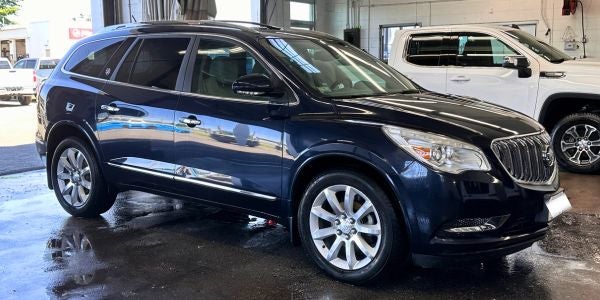
10. Detailing
The vehicle is cleaned inside and out, removing any dust, debris, or fingerprints accumulated during the repair process. This step ensures the vehicle is returned to the customer in pristine condition.